
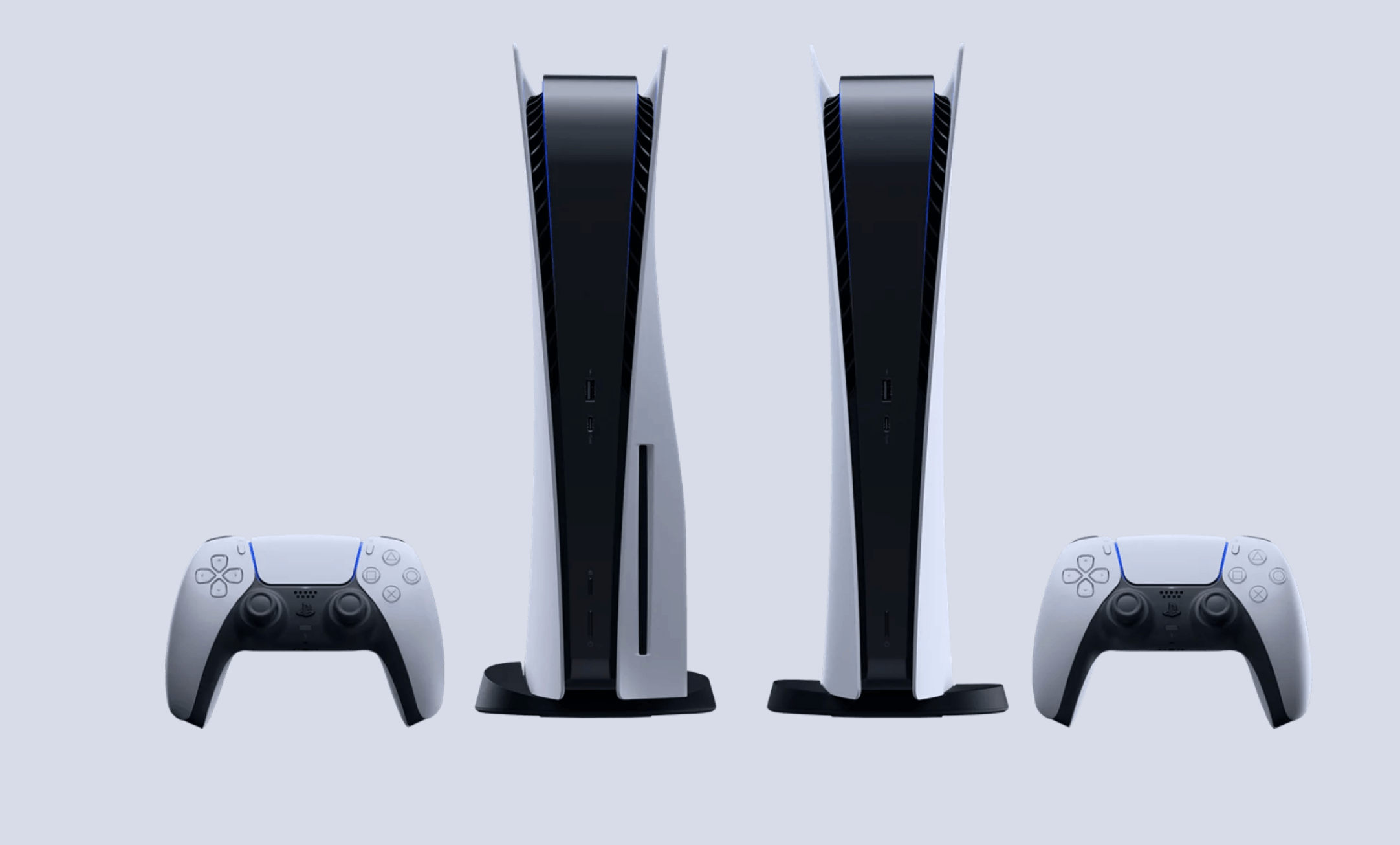
This article explores “what if” developments for Sony’s PlayStation brand by 2030, with a focus on the hypothetical PlayStation 6 console. It examines industry trends, technological advancements, and consumer expectations to project the platform’s evolution. I had a bit of fun with this and had to change it quite a bit over the course of a month but I hope you either agree with me or think i am way off the mark and it will be so much more than what I proposed.
The traditional console paradigm, a discrete box under a television, may undergo significant redefinition by 2030. While a physical console will likely remain, its form, function, and relationship with other devices could change profoundly. Consider the evolution of personal computing from bulky towers to sleek laptops; consoles may follow a similar path of integration and decentralisation.
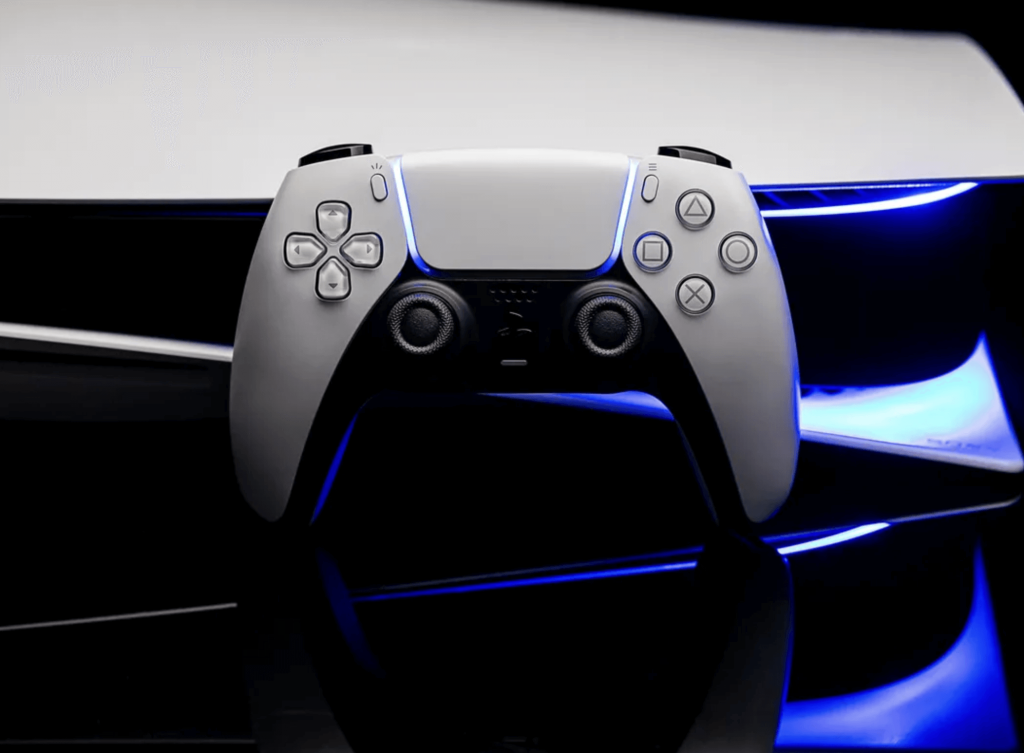
Modular Components and Upgrade Paths
The concept of a static console generation, where hardware remains unchanged for several years, could give way to a more flexible model. This might involve modular components, allowing users to upgrade specific parts of their PS6 without replacing the entire unit.
- GPU Expansion Slots: Similar to PC graphics cards, future consoles could feature accessible slots for upgrading the graphical processing unit, extending the lifespan of the core system and offering tiered performance options. This addresses the common user frustration of performance discrepancies across a console generation.
- Storage Interchangeability: While current consoles offer internal storage upgrades, the PS6 could streamline this process, perhaps adopting a standardized, easily swappable solid-state drive (SSD) cartridge system. This simplifies maintenance and allows for quick transfers between consoles or for users with multiple game libraries.
- Processor Socket Design: A more radical shift could involve a processor socket allowing for CPU upgrades. This would require significant architectural changes but could further blur the lines between consoles and customizable PCs, offering unprecedented upgrade flexibility.
- Wearable controls: I think of gauntlets and gloves with a visor as the new controls. We use our hand movements and gestures to move around and control the games. Haptic feedback, neural sensors and upgradable (how? I dont know).
Miniaturization and Integration
Beyond modularity, the PS6 could continue the trend of miniaturization, potentially integrating into other household devices or becoming even more unobtrusive.
- Integrated Displays: The PS6 might offer versions embedded within high-end televisions, becoming an invisible component rather than a standalone device. This would streamline setup and reduce cable clutter, appealing to minimalist aesthetics.
- Portable Console Docks: Building upon the success of hybrid devices, the PS6 could feature a powerful handheld component that docks to a base station for full home console performance. This offers a seamless transition between gaming environments.
- Edge Computing Integration: The console’s processing power might be distributed, with some computational tasks offloaded to nearby “edge” devices or even the display itself, reducing the console’s physical footprint and power consumption. This distributed processing model could optimize performance and resource allocation.
Cloud Gaming and the Subscription Economy
By 2030, cloud gaming will likely have matured significantly, becoming a core component of the PlayStation ecosystem rather than a supplementary service. The subscription economy will continue to dominate, influencing how users access and pay for games. Think of Netflix’s transformation of movie consumption; gaming is undergoing a similar metamorphosis.
This comment here is my frustration with tech companies, we do not need to pay for cloud gaming, give me discs I own, give me ownership of the game I play. I hate being held hostage to cloud storage and fees that are raised to meet the tech companies investor demands. Lets all agree that owning our games is best for the people (Us).
PlayStation Cloud Premium Tier
A “PlayStation Cloud Premium” tier could emerge as the flagship offering, providing immediate access to new releases and a vast back catalog streamed directly to a variety of devices.
- Day-One Game Access: Subscribers might receive access to all first-party titles and select third-party games on their launch day, eliminating the need for individual purchases. This mirrors the trajectory of services like Xbox Game Pass.
- Device Agnostic Streaming: The PS Cloud Premium service would extend beyond PlayStation hardware, allowing users to stream games to smart TVs, smartphones, tablets, and even competitor devices via a PlayStation application. This expands the potential user base significantly.
- Enhanced Performance Tiers: Different subscription levels could offer varying streaming qualities, from 1080p to 8K, and higher frame rates, catering to users with different internet bandwidths and display capabilities.
Hybrid Ownership Models
While subscriptions will be prominent, outright game ownership may not disappear entirely. A hybrid model could emerge, offering flexibility to consumers.
- “Buy-to-Own” on Cloud: Users might purchase digital versions of games that, while hosted on the cloud, are considered “owned” for perpetual access, even if their subscription lapses. This addresses the concern of losing access to games when a subscription ends.
- Physical Media for Collectors: For a niche market, physical game copies could persist as collector’s items, perhaps bundled with exclusive digital content or remastered versions. This acknowledges the enduring appeal of tangible media.
- Dynamic Pricing for Cloud Access: The cost of individual game purchases on the cloud service might fluctuate based on demand, age of the title, and even regional factors, introducing a more dynamic marketplace.
Immersive Experiences and New Input Methods
Right now we are in the grey space of cloud gaming, virtual worlds and at the time of writing this I am hyped for what Crimson Desert will deliver, I honestly think it will be a huge success. The detail, the features the world and more its ambitious but I feel it will deliver.
Beyond traditional gaming, the PS6 will likely lean heavily into virtual reality (VR), augmented reality (AR), and novel input methods to create more immersive and interactive experiences. This is where gaming truly begins to break the fourth wall.
PlayStation VR3 and Mixed Reality
The successor to PlayStation VR2, likely PSVR3, could achieve mainstream adoption by integrating seamlessly with the PS6 and offering significantly enhanced capabilities.
- Untethered Operation: PSVR3 will likely be entirely wireless, removing the physical constraints that have limited VR adoption. This freedom of movement is crucial for truly immersive experiences.
- High-Resolution, Wide FoV Displays: Expect significantly higher resolution displays with a wider field of view (FoV), reducing the “screen door effect” and enhancing the sense of presence.
- Integrated Eye-Tracking and Foveated Rendering: Advanced eye-tracking technology will enable foveated rendering, optimizing graphical fidelity only where the user is looking, thereby improving performance and visual quality.
- Passthrough Mixed Reality: The PSVR3 could heavily feature passthrough capabilities, allowing users to experience augmented reality elements layered over their real-world environment, further blurring the lines between digital and physical. This opens up possibilities for gaming within one’s living space.
Haptic Feedback and Neural Interfaces
Beyond visual and auditory immersion, the PS6 ecosystem could explore new forms of sensory feedback and even direct neural interaction. I will become Shang Chi and the ten rings of Playstation with all this future tech, could it be a thing? I dont know but how cool.
- Advanced Haptic Suits: Full-body haptic suits, perhaps lighter and less cumbersome than current prototypes, could provide tactile feedback for in-game actions, simulating impacts, temperature changes, and even the sensation of wind.
- Adaptive Triggers and Feedback for VR: The DualSense controller’s adaptive triggers and haptic feedback will be further refined and integrated with VR experiences, providing nuanced tactile information. Imagine feeling the tension of a bowstring or the texture of a surface through the controllers.
- Early Neural Interface Experiments: While full brain-computer interfaces (BCIs) might be beyond 2030 for mainstream gaming, the PS6 could feature experimental, non-invasive neural interfaces for basic input, such as gaze control or focused attention. This represents a nascent step towards direct thought-to-action gaming.
Artificial Intelligence in Gaming: Beyond NPCs
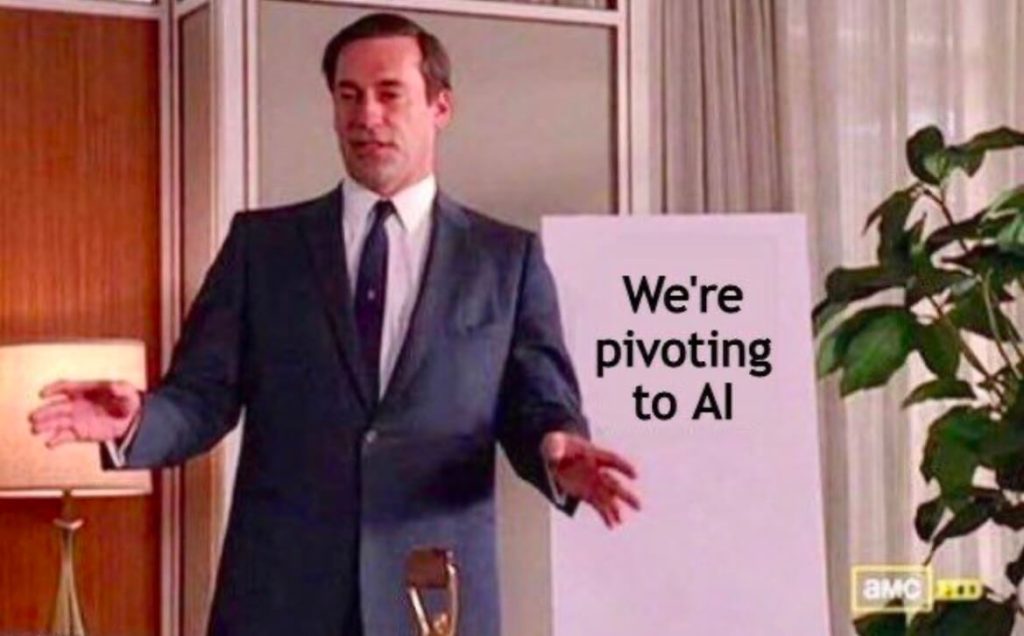
Artificial intelligence (AI) will not only power more sophisticated non-player characters (NPCs) but also actively shape game worlds, narratives, and even player experiences. AI will become a co-creator, not just a set of instructions.
Dynamic Game World Generation
Procedural generation, often limited in scope, could evolve into truly dynamic game world generation, guided by advanced AI.
- Adaptive Environment Design: AI could analyze player movement, preferences, and performance to dynamically generate or alter large portions of game environments, ensuring constant novelty and personalized challenges. Imagine a dungeon that redesigns itself to specifically counter your playstyle.
- Evolving Quests and Narratives: AI could generate and adapt quest lines and narrative arcs in real-time, responding to player choices and emergent gameplay. This leads to truly unique playthroughs for every player.
- Persistent World Evolution: Game worlds could independently evolve and change even when the player is offline, driven by AI simulations of ecosystems, political factions, and environmental cycles. This adds a layer of realism and unpredictability.
Imagine an infinite spawning world, great in concept but as long as its populated, serves a purpose. I love that I have various maps of games I play memorised inside my head, if a game world sprawls too big that won’t be possible.
Personalized Gaming and AI Companions
AI will move beyond simplistic companion roles to become integral to the personalized gaming experience. We could expect to have game buddies who can play alongside us in Co-Op. Chat between our game buddy and have a real tag team type experience. I can see it working where its helpful but with risk of eliminating our real buddies and that makes me hell sad.
- Intelligent Game Masters: AI could act as a dynamic “game master,” observing player actions and adjusting difficulty, introducing new events, or even suggesting goals in real-time. This creates a personalized difficulty curve and ensures engagement.
- Emotionally Responsive NPCs: NPCs will exhibit more sophisticated emotional responses and learning capabilities, developing unique personalities based on player interaction. This creates deeper connections and more believable virtual characters.
- Player-AI Collaboration: AI companions could go beyond simple combat support, assisting with puzzles, offering strategic advice, or even learning to anticipate player actions and proactively support them. This makes AI an active, helpful partner.
Interconnected Ecosystem and Social Gaming
| Feature | Prediction for PS6 (2030) | Current PS5 Specs (2023) | Expected Improvement |
|---|---|---|---|
| CPU | 16-core custom AMD Zen 5 | 8-core AMD Zen 2 | 2x cores, next-gen architecture |
| GPU | Next-gen RDNA 4 with ray tracing 3.0 | RDNA 2 with ray tracing | Significant performance and ray tracing improvements |
| RAM | 64 GB GDDR7 | 16 GB GDDR6 | 4x capacity and faster memory |
| Storage | 8 TB NVMe SSD with 20 GB/s bandwidth | 825 GB NVMe SSD with 5.5 GB/s bandwidth | ~10x capacity and 4x speed |
| Resolution Support | 16K with AI upscaling | 4K native support | 4x resolution increase plus AI enhancements |
| VR Integration | Fully wireless, ultra-high fidelity VR with eye tracking | PSVR2 wired with high fidelity | Wireless and advanced tracking |
| AI Features | Real-time AI NPC behavior and dynamic storytelling | Limited AI scripting | Major leap in AI-driven gameplay |
| Cloud Gaming | Seamless hybrid cloud/local gaming with zero latency | Cloud gaming available but with latency | Near-zero latency cloud integration |
| Backward Compatibility | Full backward compatibility with all previous PlayStation titles | Backward compatibility with most PS4 titles | Expanded to all generations |
| Controller | Haptic feedback with adaptive triggers, biometric sensors, and modular design | DualSense with haptics and adaptive triggers | Added biometric and modular features |
The PlayStation ecosystem by 2030 will be more interconnected than ever, blurring the lines between console, PC, mobile, and social platforms. Social gaming will extend beyond multiplayer matches to incorporate new forms of interaction and collaboration. Think of gaming as a shared living space, not just an arena.
Cross-Platform Play and Progression
True cross-platform play and progression will be standard across most major titles, fostering a more unified gaming community.
- Universal Friend Lists and Party Systems: Players on PS6, PC, and potentially mobile devices will share universal friend lists and party systems, making it effortless to connect with anyone, regardless of their hardware.
- Shared Game Saves and Achievements: Game progress, achievements, and unlocked content will seamlessly transfer between platforms, allowing players to pick up their game wherever they leave off.
- Unified Digital Stores: While platform-specific stores might exist, a unified PlayStation digital storefront could offer access to games across all compatible devices, simplifying purchases and library management.
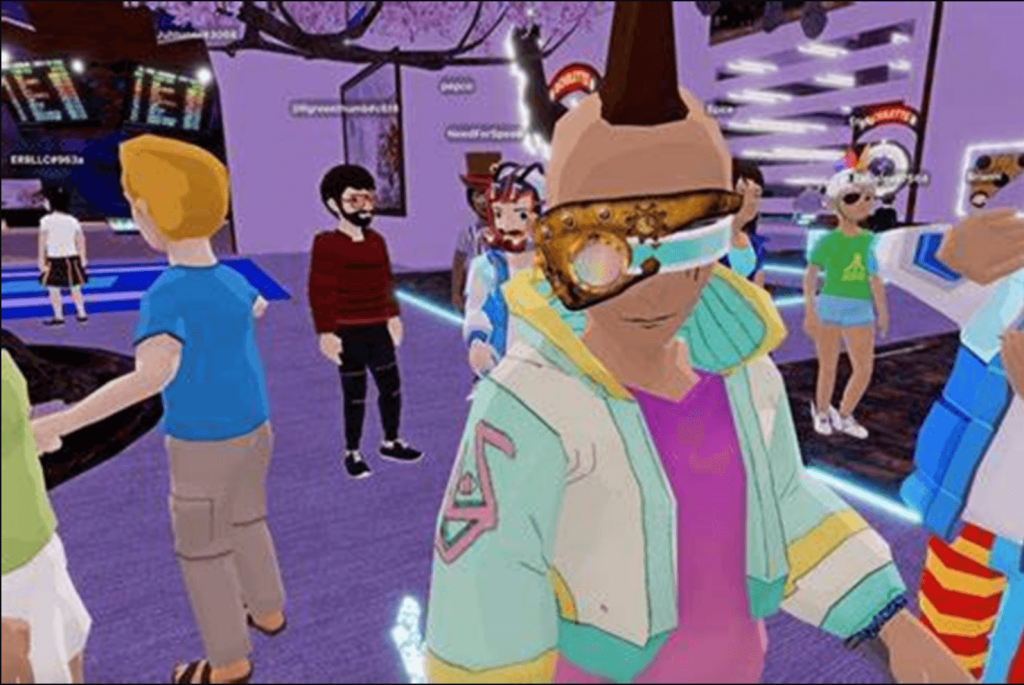
Social Hubs and Metaverse Integration
The PlayStation platform could evolve into a more comprehensive social hub, potentially integrating with nascent metaverse concepts.
- Persistent Virtual Spaces: PlayStation could offer persistent, customizable virtual social spaces where players can meet, chat, watch media, and even experience game previews together, akin to “Ready Player One” but with a PlayStation flavor.
- Creator Tools for Social Environments: Users might be provided with simplified tools to create and customize their own social environments, fostering a user-generated content ecosystem within the PlayStation metaverse. Imagine building your own virtual game room for friends.
- Integration with Non-Gaming Social Platforms: PlayStation could forge deeper integrations with mainstream social media platforms, allowing for easier sharing of game clips, highlights, and status updates directly from the console or associated apps.
In my mind GTA V was a real example of how a Metaverse should look, but the map itself was void of life and activity for such a big space. I would imagine GTVI fixes this with things to do and life scattered across the huge map. A metaverse should be weird, there should be random activities, people and things to do. It doesnt have to make sense.
Spectator Modes and Interactive Streams
The act of watching games will become more interactive, with enhanced spectator modes and direct integration with streaming platforms.
- Interactive Spectator Tools: Live game streams could offer interactive spectator tools, allowing viewers to control camera angles, view player statistics in real-time, or even influence minor in-game events in specific modes.
- Player-Audience Engagement Mechanics: Games could incorporate mechanics that allow streamers to directly involve their audience in gameplay decisions, polls, or even by activating modifiers that affect the game state. This blurs the line between player and observer.
- Integrated Tournament and Esports Platforms: The PS6 ecosystem will likely feature deep integration with esports platforms, allowing players to easily organize, join, and spectate competitive gaming events directly from their console. This democratizes access to competitive play.
In conclusion, the PlayStation of 2030, particularly the PS6, will likely represent a significant evolution from current consoles. It will be a more flexible, interconnected, and immersive platform, driven by advancements in hardware modularity, cloud gaming, mixed reality, artificial intelligence, and a deeply social ecosystem. The journey from a simple game console to a comprehensive entertainment and social hub will redefine what it means to “play” in the next decade.
Author
