

Uncover Real CIA Operations: True Story Spy Movies
The captivating cinema of spies and government operatives draws a streaming crowd, myself included. The thrill of whats at stake, and all the covert twists and turns captures the attention of millions worldwide. But how many of these big-budget movies are real? quite a few as it turns out, and thats damn scary.
Peaking in behind the actors exploring the shadows and dealings most of us will never know, the super intriguing clandestine intelligence agencies. This exploration delves into films that purport to illuminate the operational realities of the Central Intelligence Agency (CIA), examining how these cinematic portrayals intersect with documented historical events and the inherent challenges of translating classified information into public consumption. The aim is to provide a clearer picture of what it means to “uncover real CIA operations” through the lens of film, acknowledging both the educational potential and the inherent limitations.
The enduring popularity of spy films, particularly those claiming to be based on true CIA operations, stems from a confluence of factors. The clandestine nature of intelligence work itself acts as a powerful magnet for public curiosity. We are drawn to stories that peel back the curtain on secrets, offering glimpses into a world operating beneath the surface of everyday life. These narratives often tap into a primal human fascination with the hidden, the strategic, and the high-stakes.
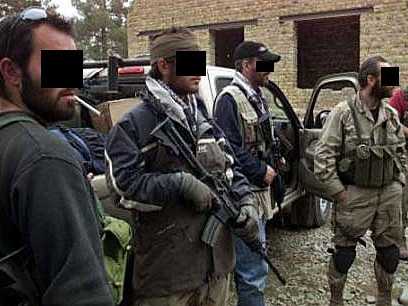
The Appeal of the “True Story” Tag
The addition of “true story” to a film’s marketing can significantly amplify its appeal. For audiences, it transforms a fictional narrative into something more akin to a historical document, albeit one filtered through dramatic interpretation. It suggests authenticity, a direct line to real events and the people who shaped them. This perceived veracity lends an intellectual weight to entertainment, offering the possibility of learning while being enthralled. It’s like finding a rare artifact; the thrill is in its perceived genuineness.
Portrayals of Courage and Sacrifice
Many films centered on CIA operations do not shy away from depicting the personal cost of such work. They often highlight the courage, resilience, and sacrifices made by individuals operating in dangerous and ethically complex environments. This human element resonates deeply with viewers, providing relatable characters in extraordinary circumstances. The films invite us to consider the burden of responsibility these individuals carry and the psychological toll of their missions.
The Thrill of Espionage: Strategy and Deception
At its heart, espionage is a game of intellect and deception. Films that accurately (or convincingly) portray these aspects can be intellectually stimulating. They showcase meticulous planning, the art of disguise, the subtle manipulation of information, and the constant threat of exposure. This cerebral component, combined with the inherent tension of potential failure, creates a compelling narrative engine.
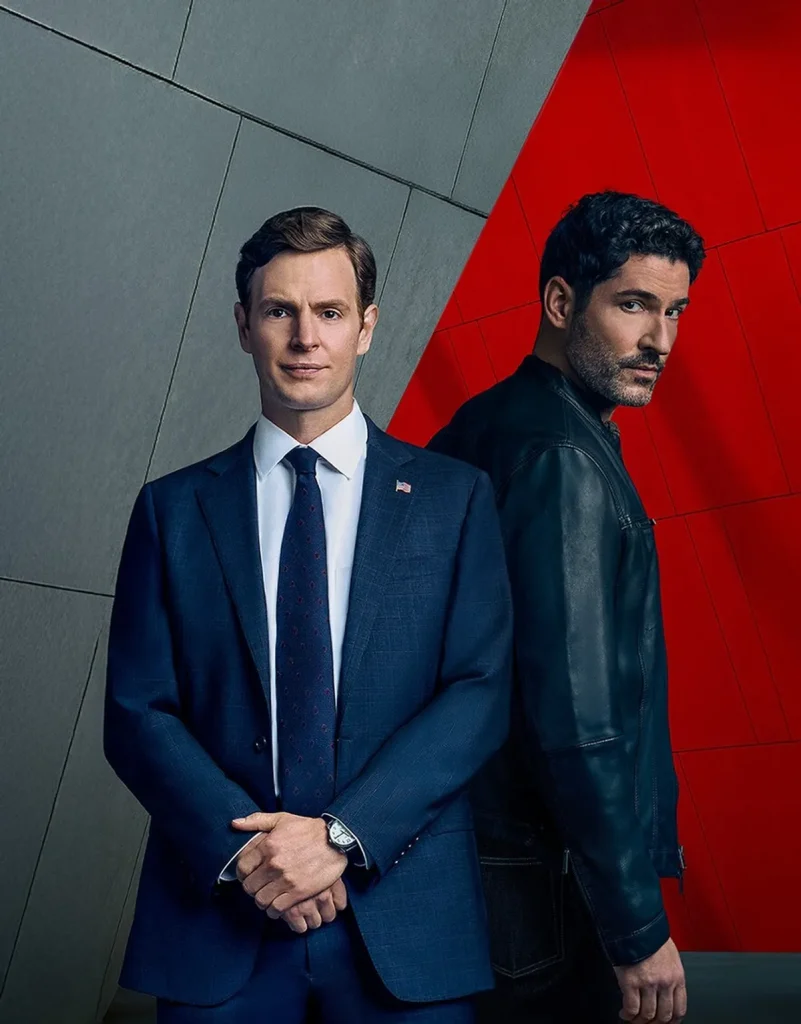
Translating Secrecy: The Challenges of Cinematic Accuracy
The very nature of CIA operations presents a unique hurdle for filmmakers aiming for accuracy: secrecy. The agency’s work is, by definition, designed to remain unknown. This inherent conflict between the need for classification and the desire for public portrayal forms a central tension in understanding the “truth” presented by these films.
The “Need to Know” Principle in Filmmaking
Just as the CIA operates on a “need to know” basis for information, so too must filmmakers make choices about what details to include and what to omit. This is not necessarily an act of intentional misdirection, but rather a practical necessity for crafting a cohesive and engaging narrative. Every film is a story, and stories require focus and selection.
The Blurring Lines of Declassification
Information about past CIA operations gradually enters the public domain through declassification processes. However, this declassification is often piecemeal and can be decades after the events themselves. Filmmakers may gain access to certain documents or firsthand accounts, but their ability to present a complete and unvarnished picture is constrained by the available information and the ongoing sensitivities surrounding national security. Imagine trying to reconstruct a vast mosaic with only a handful of tiles; you can infer the overall image, but the details remain elusive.
The Influence of Narrative Necessity
Hollywood rarely shies away from dramatic license. Even films based on true stories often embellish or alter events for the sake of pacing, character development, or thematic resonance. This is not to say all such films are dishonest, but rather that the demands of storytelling can sometimes override strict adherence to factual minutiæ. The need for a compelling protagonist, a clear antagonist, and a satisfying resolution can lead to narrative compressions or simplifications of complex realities.
Notable Films and Their Departures from the Record
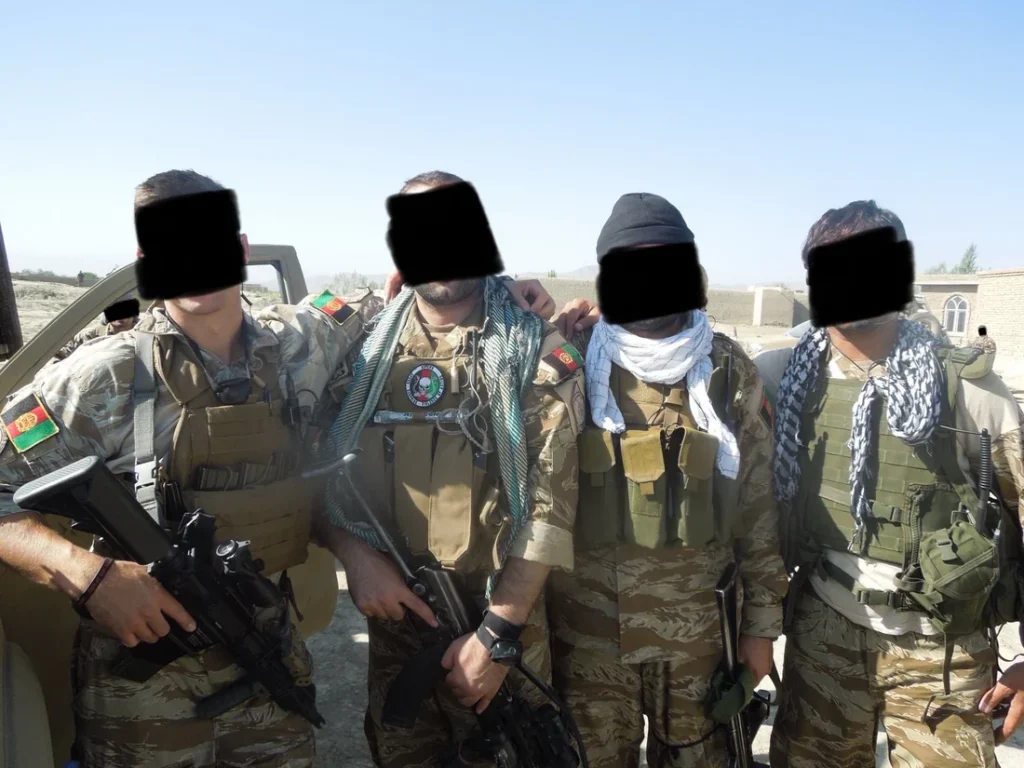
Examining specific films that claim to depict real CIA operations allows for a more concrete understanding of the interplay between factual reporting and cinematic interpretation. These examples highlight how genuine events can be the bedrock upon which fictionalized narratives are built.
Argo (2012): The “Canadian Caper” Dramatized
- The Operation: The film Argo recounts the real-life mission to extract six American diplomats from Tehran during the 1979 Iran hostage crisis. The operation, dubbed the “Canadian Caper,” involved the CIA working with the Canadian government to create a fake Hollywood film production as a cover for exfiltration.
- Factual Elements: The core conceit of the fake film production and the successful rescue of the diplomats is factual. The CIA’s role in devising and executing the plan is also accurately portrayed. The agency utilized a cover story of a science fiction film, Argo, to create the necessary illusion.
- Dramatic License: The film significantly amplifies the perceived danger and the narrowness of the escape. While the operation was undoubtedly tense, the movie emphasizes moments of near-discovery and direct confrontation with Iranian security forces that were either minimized or did not occur in reality. The film also gives the CIA operative, Tony Mendez, a more central and heroic role, at times suggesting he was the sole architect of the escape, whereas the Canadian government and its diplomats played crucial roles. The film’s primary antagonist, the chief of the Iranian revolutionary committee, is a composite character, and the climax in the airport where intelligence agents are on their heels is a heightened dramatic invention.
Zero Dark Thirty (2012): The Hunt for Osama bin Laden
- The Operation: Zero Dark Thirty chronicles the decade-long hunt for Osama bin Laden by the CIA, culminating in the raid on his compound in Abbottabad, Pakistan. The film offers a detailed look at the intelligence gathering, analysis, and operational planning involved.
- Factual Elements: The film is lauded for its depiction of the meticulous intelligence work, including the use of surveillance, human sources, and the dissection of intercepted communications. Key figures like Maya (a composite character representing various analysts) and the operational details of the raid itself are presented with a degree of accuracy. The film’s portrayal of the difficulties in identifying bin Laden’s compound and the painstaking process of corroborating intelligence is considered largely faithful.
- Dramatic License: While celebrated for its realism, the film has faced scrutiny regarding the depiction of CIA interrogation techniques. Critics argued that Zero Dark Thirty presented enhanced interrogation techniques (often euphemistically referred to as “torture”) as being more effective and directly leading to actionable intelligence than is supported by evidence. The film also condenses timelines and compresses events for narrative efficiency, and the primary source for the film’s detailed account of the raid came from a CIA operative involved, leading to questions of inherent bias. The effectiveness of the “finding the courier” theory as the sole key to bin Laden’s location is also debated.
Mission: Impossible – Fallout (2018): Fictionalized Agency Dynamics
- The Operation: While the Mission: Impossible franchise is explicitly fictional, Fallout delves into themes of rogue agents, nuclear threats, and international intrigue that echo broader concerns of the intelligence world. The film portrays a covert organization, the IMF, operating outside typical government oversight and grappling with the consequences of its actions.
- Factual Elements (Thematic): The film touches upon real-world anxieties regarding nuclear proliferation, the dangers of unstable regimes, and the complex ethical dilemmas faced by intelligence operatives. The concept of rogue elements within or alongside intelligence agencies is a recurring theme in global security discussions.
- Dramatic License: This film is a clear example where the “true story” aspect is absent in a literal sense. The IMF is a fictional entity, and its operations are designed for maximum cinematic spectacle. The challenges presented are magnified, and the solutions often rely on highly improbable skills and circumstances. It serves as an allegorical exploration of espionage themes rather than a factual account. It’s like a funhouse mirror; it reflects distorted aspects of reality, making them larger and more dramatic for effect.
The Good Shepherd (2006): The Genesis of the CIA
- The Operation: The Good Shepherd offers a fictionalized account of the early years of the CIA, focusing on the development of clandestine operations during the Cold War through the eyes of a dedicated operative, Edward Wilson.
- Factual Elements: The film draws on the historical context of the post-World War II era, the formation of the Office of Strategic Services (OSS) and its successor, the CIA, and the burgeoning ideological conflict with the Soviet Union. It touches upon genuine operational methods and the mindset of early intelligence professionals. The film accurately reflects the atmosphere of suspicion and the clandestine nature of the nascent agency.
- Dramatic License: The film centers on a fictional protagonist and weaves a narrative of personal sacrifice and moral ambiguity around him. While grounded in historical events, the specific personal dramas and relationships depicted are fictionalized. The film focuses heavily on the toll of secrecy and loyalty on individual lives, which, while thematically relevant, are filtered through a fictional lens. The film emphasizes Wilson’s emotional detachment and personal tragedies, which are crafted to serve the narrative.
The Ethical Tightrope: Morality in CIA Operations and Their Portrayals
The very nature of intelligence work often places individuals and organizations in ethically gray areas. Films that tackle real CIA operations inevitably confront these moral quandaries, forcing audiences to consider the justifications and consequences of actions taken in the name of national security.
The “Lesser of Two Evils” as a Recurring Theme
Many films depicting CIA operations present scenarios where operatives must choose between undesirable outcomes. These situations often involve moral compromises, the utilitarian calculus of sacrificing some for the supposed greater good. The films invite us to ponder whether the ends truly justify the means, even when those means are ethically questionable.
The Impact of Secrecy on Personal Lives
The requirement of secrecy inherently impacts the personal lives of intelligence operatives. Relationships are strained, trust can be eroded, and the line between professional duty and personal life becomes blurred. Films often explore this human cost, showing how the clandestine nature of the work can lead to isolation, betrayal, and profound personal loss.
The Question of Accountability
When operations are shrouded in secrecy, accountability becomes a complex issue. Films sometimes explore the challenges of holding intelligence agencies and their operatives responsible for their actions, particularly when those actions result in unintended consequences or violations of human rights. The difficulty in obtaining concrete evidence and the protection afforded by classification can create a climate where consequences are rare.
The Future of CIA Portrayals: Evolving Narratives and Emerging Technologies
<?xml encoding=”UTF-8″>
| Movie Title | Year Released | Real CIA Operation | Main Actor | IMDB Rating | Box Office (Millions) |
|---|---|---|---|---|---|
| Argo | 2012 | Canadian Caper (1979 Iran Hostage Crisis) | Ben Affleck | 7.7 | 232 |
| Zero Dark Thirty | 2012 | Operation Neptune Spear (Killing of Osama bin Laden) | Jessica Chastain | 7.4 | 132 |
| Bridge of Spies | 2015 | Exchange of spies during the Cold War | Tom Hanks | 7.6 | 72 |
| Spy Game | 2001 | Cold War espionage | Robert Redford | 7.1 | 62 |
| The Spy Who Came in from the Cold | 1965 | Cold War intelligence operations | Richard Burton | 7.6 | — |
As the world and the nature of intelligence work evolve, so too do the ways in which CIA operations are depicted in film. Emerging technologies and contemporary geopolitical realities are shaping the narratives we see on screen.
The Rise of Cyber Warfare and Digital Espionage
The digital realm has become a new frontier for intelligence agencies. Future films exploring CIA operations are likely to delve into cyber warfare, digital surveillance, and the intricate world of online espionage. This shift reflects the increasing importance of data and technology in global security.
Drones and Remote Operations: The Changing Face of Warfare
The increasing use of drones and remote surveillance technologies presents new ethical and operational considerations. Films may explore the psychological impact of remote warfare, the blurred lines of responsibility when actions are carried out from afar, and the increasing reliance on artificial intelligence in intelligence gathering and analysis.
The “Gray Zone” and Hybrid Warfare
Modern conflicts are increasingly fought in the “gray zone,” a space between peace and overt warfare. Intelligence agencies are at the forefront of these operations, employing a range of tactics from disinformation campaigns to economic coercion. Films may begin to reflect these more nuanced and multi-faceted approaches to national security.
Conclusion: Navigating the Labyrinth of Cinematic Truth
Films that claim to “uncover real CIA operations” offer a compelling, albeit often filtered, lens into the world of espionage. They serve as a bridge between the abstract notions of national security and the tangible experiences of individuals tasked with protecting it. While these films can illuminate aspects of historical events and operational methodologies, it is crucial for viewers to approach them with a discerning eye. The inherent challenges of secrecy, storytelling imperatives, and the evolution of intelligence practices mean that cinematic portrayals are rarely, if ever, a perfect mirror of reality. Instead, they are more akin to finely crafted mosaics, pieced together from fragments of truth, embellished with narrative artistry, and ultimately, designed to provoke thought and inspire wonder about the unseen forces that shape our world.
Author
