
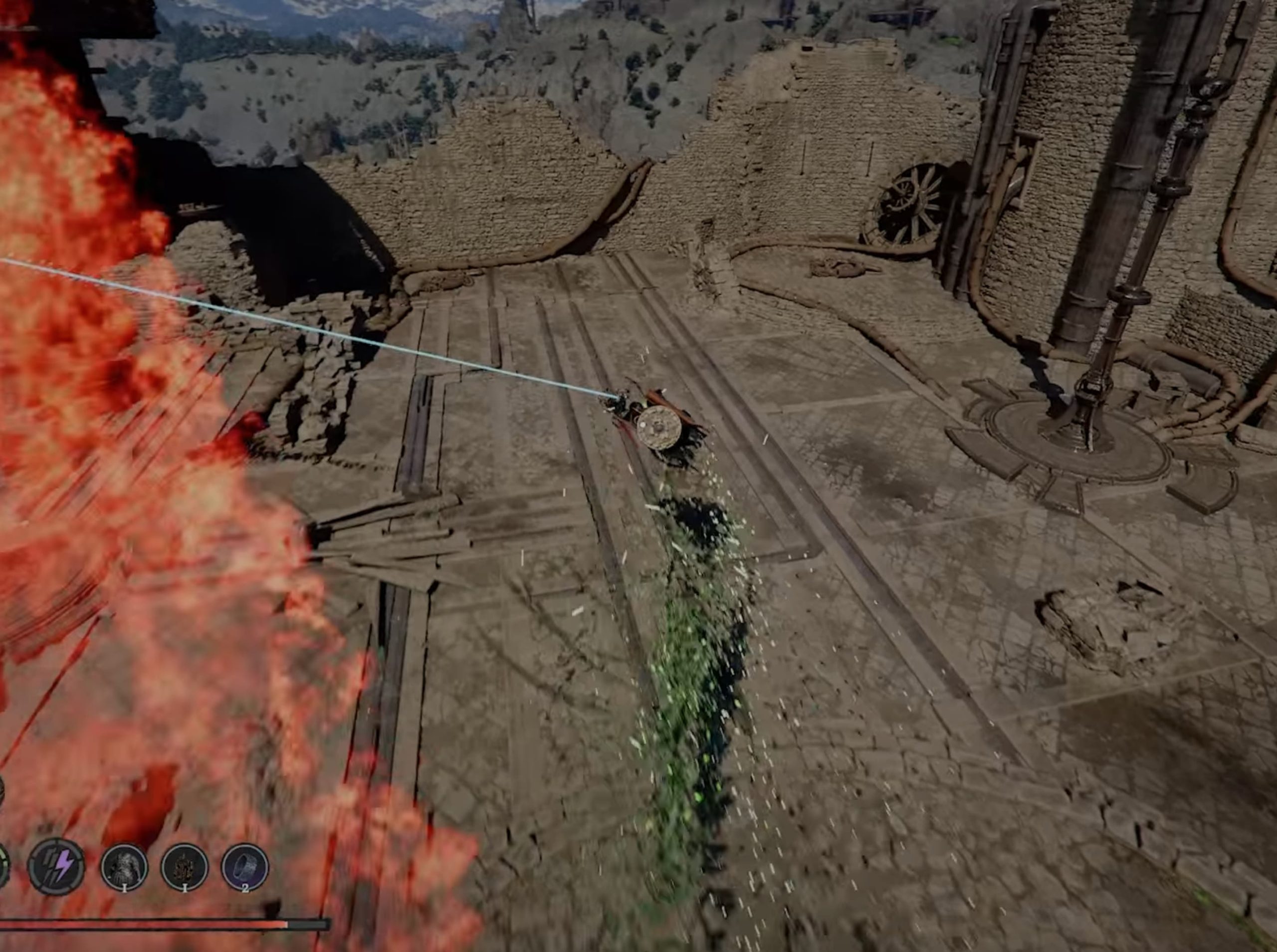
Let us delve into the intricacies of the combat system within Crimson Desert. As I have experienced and observed its mechanics, I aim to provide a structured understanding of what awaits players in this world. This is not a critique of the game’s overall quality, but rather an analytical breakdown of its combat, a pillar upon which the player’s journey will likely be built.
The foundation of combat in Crimson Desert rests on a deceptively simple yet deep set of inputs. Understanding these core actions is paramount before attempting to weave them into intricate combat sequences. It’s akin to learning the alphabet before composing a novel; mastery of the letters allows for the creation of complex narratives.
The combat is reported to feel native but nuanced, its far more complex than a button masher and there is a system to master to be successful. I think of it like playing Mortal Kombat.
*At the time of writing this only a handful of people have had the opportunity to play the game; I am not one of them.
Light and Heavy Attacks: The Rhythmic Dance
The primary offensive tools are your light and heavy attacks, typically mapped to R1 and R2 respectively, though this may be subject to platform-specific controls. Light attacks are swift, designed to initiate pressure, stagger opponents, or simply keep them on the defensive. Heavy attacks, on the other hand, carry more weight and impact, capable of breaking through guards and dealing significant damage.
- Chaining Attacks: The true essence of combat emerges through the chaining of these light and heavy attacks. A sequence of light attacks can transition into a powerful heavy strike, or vice versa. The game encourages this fluidity, rewarding players who can string together attacks in an efficient and damaging manner. Holding the light attack button (R1) often initiates an automatic chaining sequence, allowing for a more streamlined approach, though player-controlled chains offer greater precision and tactical advantage.
- Impact and Stagger: The visual and auditory feedback associated with attacks is crucial. Heavy attacks, in particular, should feel impactful, visually staggering enemies and interrupting their actions. This “stagger” mechanic is a common feature in action games, and its effectiveness in Crimson Desert will determine the flow of combat significantly. Landing a well-timed heavy attack can create crucial openings for further assaults.
Read our guide on the open world of Crimson Desert
Read our guide on Crimson Desert gameplay
Guarding and Evasion: The Art of Survival
Offense is only half the equation. Survival in Crimson Desert hinges on a proficient understanding of defensive maneuvers, primarily guarding and evasion. These are not passive mechanics but require active participation and timing.
- Timed Guards: Blocking incoming attacks is a fundamental defensive option. However, a simple block may not suffice against more aggressive opponents. The implementation of a “timed guard” or “perfect block” mechanic, where blocking just before an attack lands negates most or all damage and can even stagger the attacker, transforms defense into an offensive opportunity. This rewards players with precise timing and enhances the skill ceiling of the combat.
- Evasion and Dodging: The square button, or its equivalent, is likely dedicated to evasion. This allows you to quickly reposition and avoid incoming damage. The effectiveness of your evasion will depend on its i-frames (invincibility frames), the duration of the dodge animation, and any potential follow-up actions. A well-timed dodge not only avoids damage but can also place you in an advantageous position for a counterattack.
- Counterattacks: The synergy between timed guards, evasions, and offensive actions is where the combat system truly shines. Successfully executing a timed guard or a perfectly timed dodge should often open the door for a devastating counterattack. These counterattacks are typically more powerful than standard strikes, capitalizing on the opponent’s vulnerability. They can be the difference between a drawn-out skirmish and a swift victory.

Advanced Combat Techniques: Weaving the Lethal Tapestry
Once the basic controls are ingrained, the player can begin to explore the more complex and nuanced aspects of Crimson Desert’s combat. These techniques elevate the experience from simple button-mashing to a strategic and skillful engagement.
There are 75 boss battles within the Crimson Desert game. Thats huge, and word is that the bosses are mostly unique with only a small amount being versions of each other liek different weapons and designs.
Combo Weaving and Special Attacks
The true potential of Crimson Desert’s combat lies in its combo system. This system is not merely about repeating attack patterns but about creating fluid and effective sequences that exploit enemy weaknesses and maintain offensive pressure.
- Face-Button Combos: Beyond the R1/R2 chains, the face buttons likely play a crucial role in executing specific combo strings or special moves. Holding R1 while pressing different face buttons could unleash a variety of attacks, from rapid barrages to powerful, single-hit specials. This allows for a greater degree of customization and variety in your offensive output.
- Context-Sensitive Attacks: The environment and your relative position to an enemy will likely influence the types of attacks available. An attack performed while airborne, for instance, might be a diving slam, while a frontal assault might transition into a sweeping cleave. Similarly, attacking a staggered or downed opponent could trigger unique finishing moves. These context-sensitive actions add depth and dynamism to every encounter, encouraging players to be aware of their surroundings and the state of their target.
- Environmental Interaction: Crimson Desert appears to be incorporating environmental elements into combat. This could range from kicking opponents into obstacles or off ledges to utilizing destructible objects. Such interactions not only add visual flair but also provide tactical advantages, allowing for crowd control or instant elimination of weaker foes. This is where the battlefield itself becomes an extension of your weapon.
Pro-Wrestling Inspired Mechanics: The Brutal Elegance
A notable aspect highlighted in previews is the incorporation of pro-wrestling style mechanics. This suggests a focus on visceral, impactful combat with an emphasis on control and debilitating strikes.
- Chaining Heavy Strikes and Palm Strikes: The mention of chaining heavy strikes and palm strikes implies a system that rewards sustained aggression and the ability to wear down an opponent. Palm strikes, often used to stun or disorient, could be integral to setting up larger combo chains.
- Stun-Locks and Grapples: “Stun-locks” suggest the ability to keep an enemy in a state of prolonged incapacitation, preventing them from retaliating. This is often achieved through rapid, successive hits. “Grapples” introduce a new dimension, allowing players to physically restrain and manipulate their opponents, opening them up for devastating throws or powerful follow-up strikes. This adds a tactical layer, as different grapple options could lead to different combat outcomes, from controlling a single powerful foe to setting up AOE attacks.
- Jumping Double Kicks: This specific example illustrates the more acrobatic and visually impressive aspects of the combat. Such moves are likely designed as evasive maneuvers that transition into offensive strikes, or as combo enders that deal significant damage and can launch enemies.
- Emergent Player Styles: The combination of these mechanics, along with weapon choices, is intended to foster distinct player styles. One player might excel at relentless aggression, wearing down opponents with a barrage of attacks, while another might focus on patient timing, exploiting openings with perfectly timed counterattacks and grapples. This emergent property ensures that each player’s journey through combat will feel unique.
- Ally Skills: The inclusion of ally skills, such as shield throws or leg locks, hints at a co-operative or companion-based combat system. These skills are likely designed to complement the player’s own actions, providing crowd control, debuffs, or setting up opportunities for the player to deliver the finishing blow. Learning to synchronize your actions with your allies will be a key to success in certain encounters.

Weaponry and Unarmed Combat: Adapting Your Approach
Crimson Desert offers a diverse arsenal of weaponry, each with its own distinct feel, move set, and strategic applications. Furthermore, the ability to fight effectively without weapons adds another layer of depth.
Weapon Specializations
The game features a variety of weapon types, each likely influencing the combat system in unique ways. Understanding these differences is crucial for effective engagement.
- Sword and Shield: This classic combination typically offers a balance of offense and defense. The shield can parry and block effectively, while the sword allows for quick and precise strikes. Combos might revolve around swift sword slashes interspersed with shield bashes to create openings.
- Spear: Spears excel at reach and quick thrusts, allowing players to strike from a safer distance. Their move sets might focus on pokes, sweeps, and thrusts, making them ideal for controlling spacing and interrupting enemy attacks.
- Greatsword: This imposing weapon implies slow, deliberate, and devastating attacks. Greatsword combat would likely center around heavy, sweeping strikes capable of damaging multiple enemies or breaking through heavily armored foes. The risk of slow attack wind-ups would be offset by the immense power of each successful hit.
- Axe: Axes, much like greatswords, suggest heavy, impactful strikes. An axe’s move set might be more focused on raw power and cleaving through defenses, potentially with a slight emphasis on breaking enemy guards.
- Ranged Options: The presence of ranged combat, likely through bows or similar projectiles, introduces a different pacing to engagements. Players utilizing ranged weapons will need to master positioning, line-of-sight, and the critical timing of their shots to deal damage effectively while avoiding close-quarters combat.
The Art of Unarmed Combat
The inclusion of unarmed combat, including hand-to-hand techniques and kicks, suggests a viable and potentially powerful combat style. This is not merely a fallback option but a dedicated branch of the combat system.
- Hand-to-Hand and Kicks: These actions form the basis of unarmed combat. Mastery would likely involve rapid punches, kicks, and potentially throws that can stun or incapacitate opponents. The emphasis here is likely on speed and relentless pressure, similar to some martial arts influences.
- Grapples and Throws: As mentioned previously, grapples will be a key component of unarmed combat. The ability to grab, control, and throw enemies without a weapon allows for unique crowd control and offensive opportunities, particularly against single, powerful targets.
- Skill Tree Integration: The skill tree investing in unarmed combat suggests that this playstyle can be significantly enhanced and specialized. Players choosing to focus on unarmed fighting can unlock new moves, improve their effectiveness, and even develop unique grapple or finishing animations.
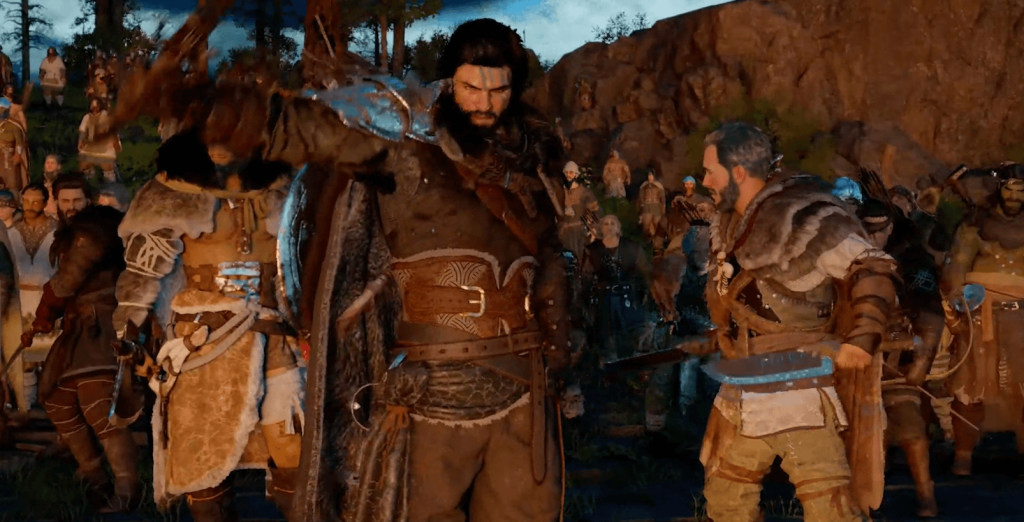
You will start off with 1 plaayable character but unlock x2 more playable characters throughout the story.
- Orc beserker class who weilds two handed weapons and has an array of power moves.
- Light class mage who has swords and ranged attacks – she also has a lot of wrestling grappling moves.
Progression and Skill Development: Forging Your Combat Prowess
The combat system in Crimson Desert is intrinsically linked to the player’s progression. Your ability to fight effectively is not solely dependent on mechanical skill but also on the strategic investment in your character’s development.
Abyss Fragments and Skill Acquisition
A core mechanic for unlocking new combat abilities appears to be the acquisition of “Abyss fragments.” These fragments are likely obtained through defeating bosses and exploring the world, serving as a form of experience or currency for combat progression.
- Unlocking New Skills: These fragments will likely be used to purchase and unlock entirely new combat skills from a skill tree. This allows players to tailor their character’s abilities to their preferred playstyle, whether that be a heavy-hitting melee specialist, a nimble evasive fighter, or a master of unarmed combat.
- Learning from Allies and Enemies: The concept of learning from allies and enemies is intriguing. This could manifest as observing specific combat techniques from NPCs and then having the option to learn them for a price or through a specific quest. It adds a layer of organic progression to the game world.
Gear and Combat Effectiveness
While skill is paramount, the effectiveness of your combat is undoubtedly influenced by the gear you equip. This provides a tangible reward for exploration and resource gathering.
- Gear Upgrades: Traditional gear upgrades through mining and quests will likely increase your character’s raw stats, such as attack power, defense, and health. This provides a constant incentive to engage with the game’s crafting and questing systems.
- Boss-Exclusive Drops: The mention of boss-exclusive drops with “signature skills” is a significant point. This suggests that defeating challenging boss encounters will not only yield powerful gear but also unique combat abilities that are tied to that specific boss. This serves as a strong incentive for players to tackle the game’s most difficult content.
- Steed/Ride Damage: You will have mounts and the ability to use them to attack, the flying dragon is really interesting and the mech tank looks like it will wreak havoc. There have been images of riding bears and raptor ike dinosaurs. This is insane. I can see myself replaying a scene out of Game of Thrones with the dragon and invading castles where I can
Skill Tree Specialization
The skill tree offers a structured way to invest in specific aspects of your character’s combat capabilities.
- Archery: This indicates a dedicated branch for ranged combat, likely providing passive bonuses to accuracy, damage, and potentially unique arrow types or firing techniques.
- Traversal/Health: The inclusion of “traversal/health” within the combat-focused skill tree suggests that mobility and survivability are also considered core combat skills. Enhancements to movement speed, stamina regeneration, or overall health pools will directly impact a player’s ability to engage and disengage effectively in combat.
It will pay to choose wisely when first levelling up, this could determine exactly how successful you will be in the first few hours of play. Stamina and fighting skills make the most sense to me based on teh size of teh map and fighting to level up and collect gear early on.

Beyond the Basics: Advanced Systems and Endgame Combat
| Metric | Description | Value / Detail |
|---|---|---|
| Combat Style | Type of combat system used | Action RPG with real-time melee and ranged combat |
| Weapon Types | Available weapon categories | Swords, Bows, Shields, Dual Blades, Magic |
| Combo System | Mechanics for chaining attacks | Dynamic combos with light and heavy attacks |
| Enemy AI | Behavior complexity of enemies | Adaptive and strategic enemy responses |
| Stamina System | Resource management for actions | Stamina drains on attacks, dodges, and blocks |
| Blocking & Parrying | Defensive mechanics | Timing-based parry and directional blocking |
| Skill Progression | Character development through combat | Unlockable skills and combos via experience |
| Environmental Interaction | Use of environment in combat | Destructible objects and terrain advantages |
| Multiplayer Combat | Cooperative or competitive combat modes | Planned cooperative multiplayer features |
Crimson Desert doesn’t appear to stop at providing a robust core combat system. The game seems to integrate broader world mechanics and offers compelling endgame content that further utilizes and expands upon combat.
Faction Reputation and Bounties
The integration of faction reputation and bounties suggests that player actions will have consequences that extend into combat encounters and rewards.
- Reputation Impact: Adhering to the laws and quests of a particular faction might increase your reputation with them. This could lead to preferential treatment, access to special vendors, or even combat bonuses when fighting against their rivals.
- Bounty System: Conversely, engaging in outlaw behavior or being hired to hunt specific individuals will likely involve a bounty system. Completing bounties could offer significant rewards, including currency, rare items, and potentially unique combat opportunities or challenges. This system adds a dynamic layer to the world, encouraging players to choose their allegiances and actions carefully.
Endgame Combat Experiences
The endgame of Crimson Desert seems designed to offer long-term engagement, with activities that leverage the game’s combat systems in diverse and exciting ways.
- Repeatable Dragon Riding Combat: The prospect of repeatable dragon riding combat is a thrilling one. This suggests aerial combat scenarios where players will need to master aerial maneuvers, utilize specialized dragon abilities, and engage in combat against other aerial threats or ground-based targets from above. The mechanics of dogfighting in the air will likely be a unique challenge.
- Mech Suits: The introduction of mech suits for combat opens up entirely new possibilities. These powerful exoskeletons would likely have their own distinct move sets, weapons, and abilities, offering a stark contrast to the more grounded combat of the core game. This could involve large-scale, explosive engagements or specialized combat against heavily armored enemies.
- Side Missions for Inventory Slots: While seemingly minor, the mention of side missions for inventory slots indicates a thoughtful approach to player progression and convenience, even in the endgame. These missions, likely requiring some form of combat or skill demonstration, provide a tangible reward that directly aids the player’s overall experience and ability to collect loot and resources.
In conclusion, the combat system of Crimson Desert appears to be a multifaceted and deeply integrated component of the game. It combines accessible mechanics with a high skill ceiling, encouraging players to master not only their individual capabilities but also the strategic use of their environment, weaponry, and progression systems. My exploration of its features suggests a challenging and rewarding experience for those willing to invest the time and effort into honing their martial prowess.
FAQs
What type of combat system does Crimson Desert use?
Crimson Desert features a real-time action combat system that emphasizes fluid and dynamic melee and ranged combat, allowing players to engage enemies with a variety of weapons and skills.
Can players customize their combat style in Crimson Desert?
Yes, players can customize their combat style by choosing different weapons, abilities, and tactics to suit their preferred approach, whether it be aggressive melee attacks or strategic ranged combat.
Does Crimson Desert include multiplayer combat features?
While primarily a single-player experience, Crimson Desert incorporates multiplayer elements where players can team up for cooperative combat scenarios and engage in shared world activities.
Are there different enemy types that affect combat strategy in Crimson Desert?
Yes, the game features a diverse range of enemies, each with unique behaviors and weaknesses, requiring players to adapt their combat strategies accordingly.
How does Crimson Desert handle player progression in combat abilities?
Players can enhance their combat effectiveness by leveling up, unlocking new skills, upgrading weapons, and acquiring gear that improves their combat capabilities throughout the game.
Author
