
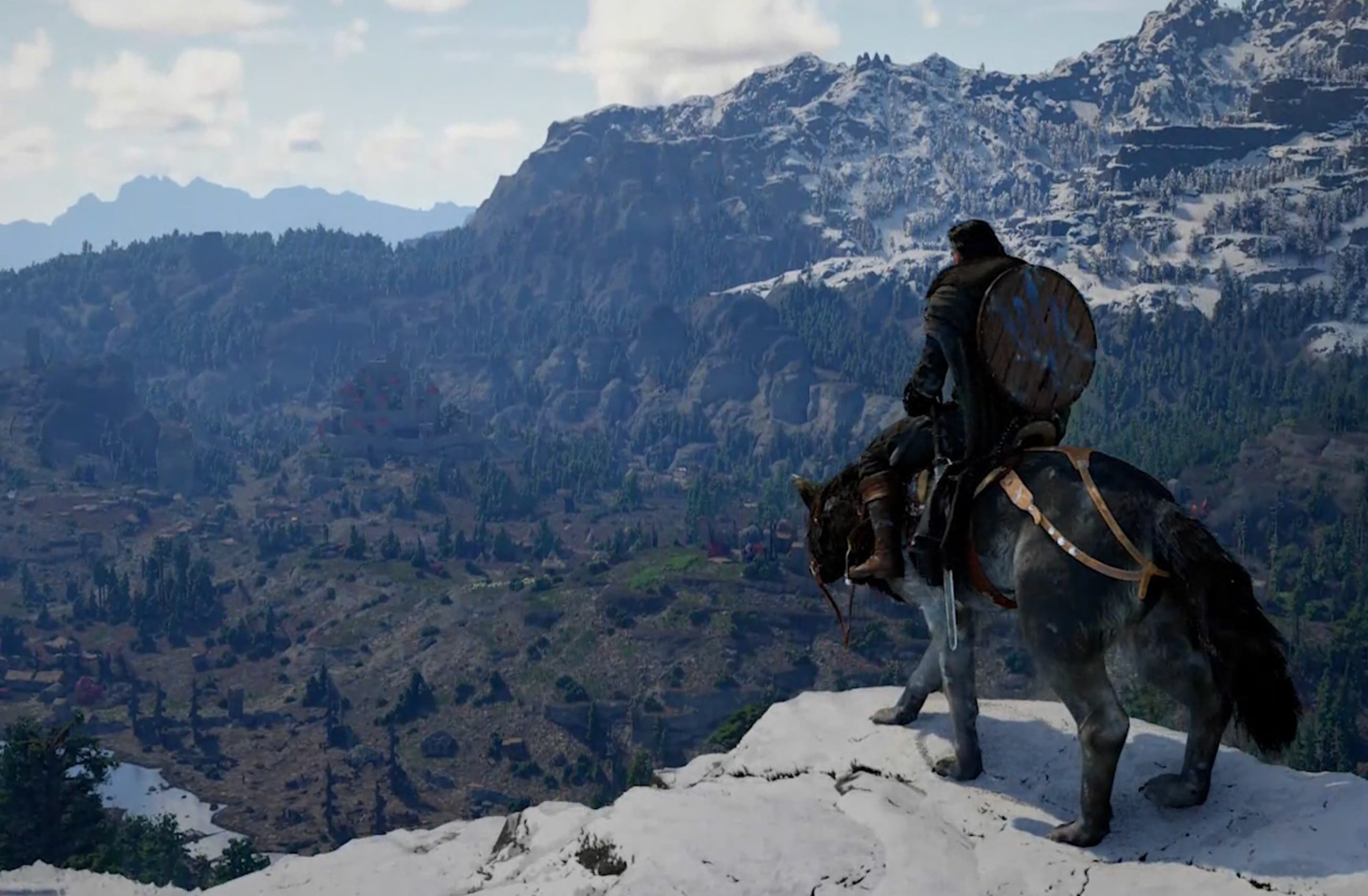
The rumours say that the Crimson Desert map is twice the size of Skyrims, and bigger than Red Dead Redemption 2’s map. They also say that riding a horse across the map point ti point will take 2 hours, walking will take 16 hours and flying a dragon will take 60 minutes. My reaction…..Yikes. I can safetly assume that a good portion of my free time will be lost to this impressive game.
The map size is not all thats impressive, within the game world there is reported 75 boss battles, an extremely large character library and even larger animal library. Ive seen raptor like animlas, bears, lizards, fish, birds, mechs and more when reviewing the game. I am feeling more confident to say “Watch out GTAVI, this game will steal your thunder”.
As I prepare to step into the world of Crimson Desert, a digital realm meticulously crafted by Pearl Abyss, a sense of anticipation, grounded in the extensive information released thus far, begins to solidify. I want to make haste to the desert region, I want to visit the sky temple and I want to invade a castle as my priority destinations.
My journey into Pywel is no longer a distant dream but a scheduled event marked out on my calendar, and my pre-order is in with my local game retailer.
The world of Pywel, as revealed through extensive previews and trailers, appears to be a meticulously designed space, intended to be far more than just a backdrop for player action. The sheer scale and detail hinted at suggest an environment that will actively engage us the players and the fans, offering a multitude of opportunities for discovery and interaction. Everything Ive seen has me pumped to get my hands on this game and to start exploring. I want to discover all the animals, all teh tribes and clans, all the places and all the hidden offf the track collectibles i can despite my wife’s warning about spending too much time on this game 🙁 lets call it, I will be in trouble from the release date and Ill wear that!
where the gameplay mechanics are intrinsically linked to the very fabric of the world itself.
Read our featured combat systems for Crimson Desert
Read our featured Crimson Desert world article
This game releases worldwide on March 19th 2026.
Geographical Diversity and Environmental Storytelling
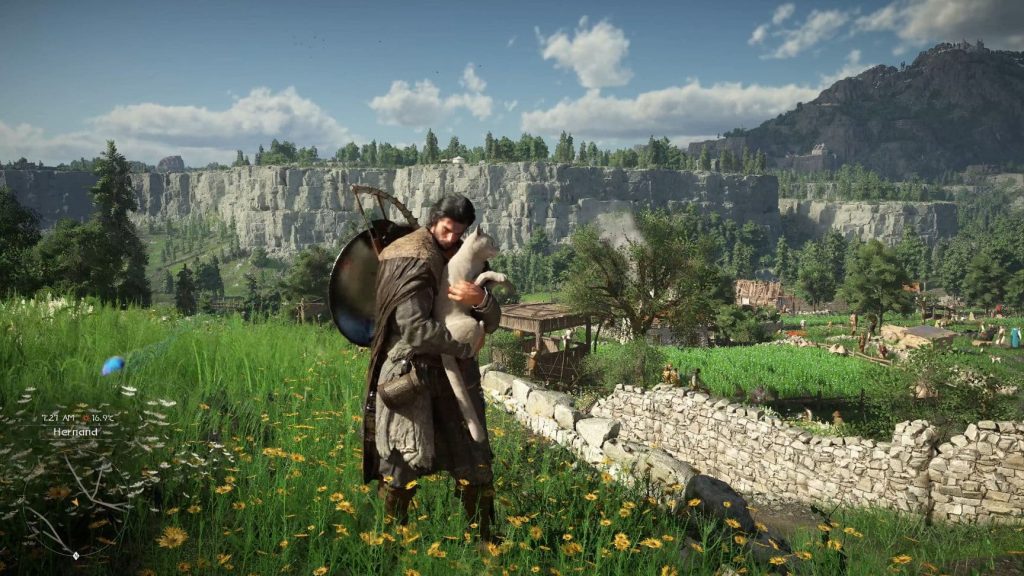
My initial impressions from the gameplay deep dives suggest a world rich in things to do, diversity of environment, animlas, characters and collectibles. From verdant plains that stretch to the distant mountains, to dense forests that whisper secrets of the wild, Pywel’s landscape is presented as a character in itself. I anticipate that each region will possess its own unique flora, fauna, and even geological formations, contributing to a grounded sense of place.
The developers have emphasized the concept of a “living world,” which implies that environmental changes, perhaps dictated by day-night cycles or even weather patterns, will play a role in how I experience the game. This level of environmental detail is crucial for an open-world experience, as it fosters immersion and allows for emergent gameplay scenarios. I am particularly interested in how the environment will serve as more than just a visual spectacle, but as an active participant in the narrative and gameplay.

Biomes and Ecosystems
The previews, such as those from IGN in October 2025, have showcased clear distinctions between various biomes. The presence of towering, ancient trees in some areas suggests dense, potentially hazardous forests, while other glimpses reveal sweeping savannas and more temperate climates. This varied topography is not merely for aesthetic appeal; it logically dictates the types of creatures that inhabit them, the resources available for gathering, and the challenges I might face. I imagine distinct ecosystems where predator-prey relationships are visually represented, and where the ambient sounds of nature shift subtly as I traverse different regions. This attention to ecological detail can transform a vast world from a mere collection of polygons into a truly believable environment.
Navigational Challenges and Opportunities
The sheer expanse of Pywel, while exciting, also presents navigational considerations. I anticipate that traversing this world will involve not just pointing my character in a direction and walking, but utilizing a variety of methods. Whether it’s through efficient travel systems, the potential for mounts, or even environmental puzzles that open up new paths, the act of movement itself should be an engaging part of the exploration. The fact that the game is launching on sophisticated platforms like PS5 and Xbox Series X/S suggests that the developers are leveraging advanced technology to render these expansive vistas without compromising on detail or performance, a crucial factor for maintaining immersion during long journeys.
Points of Interest and Hidden Secrets
A vast open world is only as compelling as what it holds within its borders. I am looking forward to discovering the numerous points of interest that Pearl Abyss has undoubtedly scattered across Pywel. These could range from small, picturesque villages to ancient ruins holding forgotten lore, or even hidden caves and treacherous ravines. The promise of “diverse activities and mini-games” suggests that these points of interest will not be barren, but will offer engaging diversions and opportunities for interaction beyond the main questline. The thrill of stumbling upon a hidden location, a secret vendor, or an unexpected encounter is a core element of the open-world genre that I deeply appreciate.
The Living World Philosophy
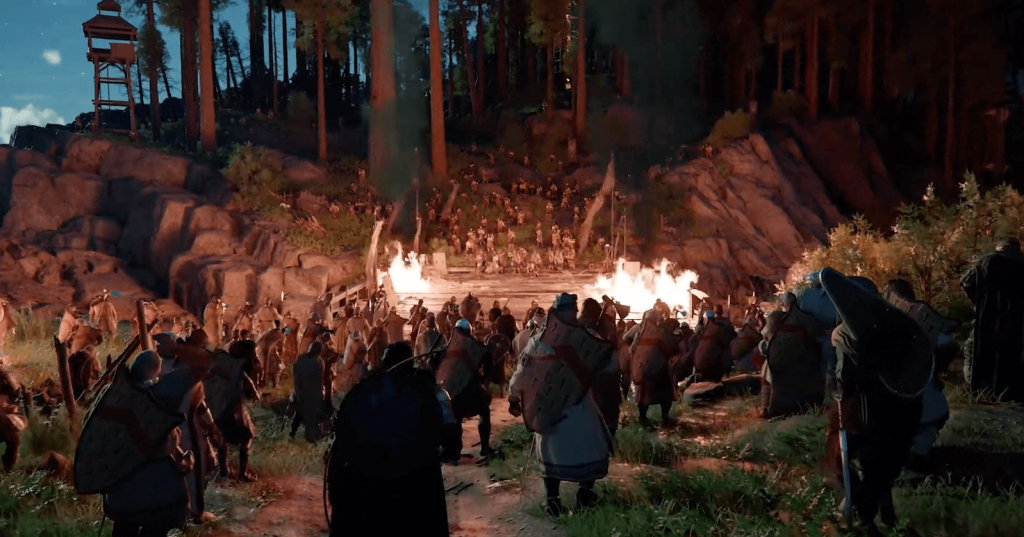
The recurring theme of a “living world” is a significant differentiator for Crimson Desert. This isn’t just about a world that looks alive, but one that acts alive—where actions have consequences, and the environment feels responsive to the passage of time and the presence of its inhabitants. This suggests a departure from more static open-world designs, aiming for a higher degree of dynamic interaction.
Dynamic Events and Emergent Gameplay
I am particularly intrigued by the potential for dynamic in-world events. These are occurrences that pop up organically, without direct player intervention, creating unique and memorable situations. Imagine a caravan of merchants being ambushed by bandits, or a pack of wild beasts creating a disturbance in a nearby village. These events, if implemented effectively, can inject a sense of unpredictability into the gameplay, making each playthrough feel distinct. I envision these moments as sparks, igniting emergent gameplay where my choices in how to respond, or not respond, can have unforeseen repercussions. This is the true magic of an open world—when the script fades and genuine player agency takes over.

NPC Schedules and Societal Simulation
The concept extends to the Non-Player Characters (NPCs) as well. A truly living world would feature NPCs with their own daily routines, engaging in activities, and interacting with each other. This would involve NPCs having their own schedules, traveling between locations, working at their professions, and even socializing. Such a simulation would imbue Pywel with a sense of genuine life, making the world feel less like a stage set for my adventures and more like a functioning society that I am a part of. I look forward to observing the subtle nuances of NPC behavior, understanding their impact on the world, and perhaps even influencing their lives through my actions.
Environmental Reactions and Feedback Loops
The world itself should also react to my presence. For instance, if I clear out a group of monsters that have been preying on a local hamlet, I might expect the villagers to become more relaxed, or trade to flourish. Conversely, destructive actions could lead to increased patrols or a noticeable decline in the prosperity of a region. This creation of feedback loops, where player actions have tangible and visible consequences on the environment and its inhabitants, is a hallmark of a deeply engaging open-world experience. I anticipate that environmental storytelling will not just come from static landmarks but from the dynamic shifts in the world around me, reflecting my impact.
Combat and Character Interplay: A Dynamic Duo
While the open world is the stage, the combat and the way characters interact within it are the actors who bring it to life. My understanding is that Crimson Desert aims for a fluid, action-oriented combat system that is complemented by a roster of distinct playable characters, each offering a unique approach to conflict.
Fluid Animation and Tactical Combat
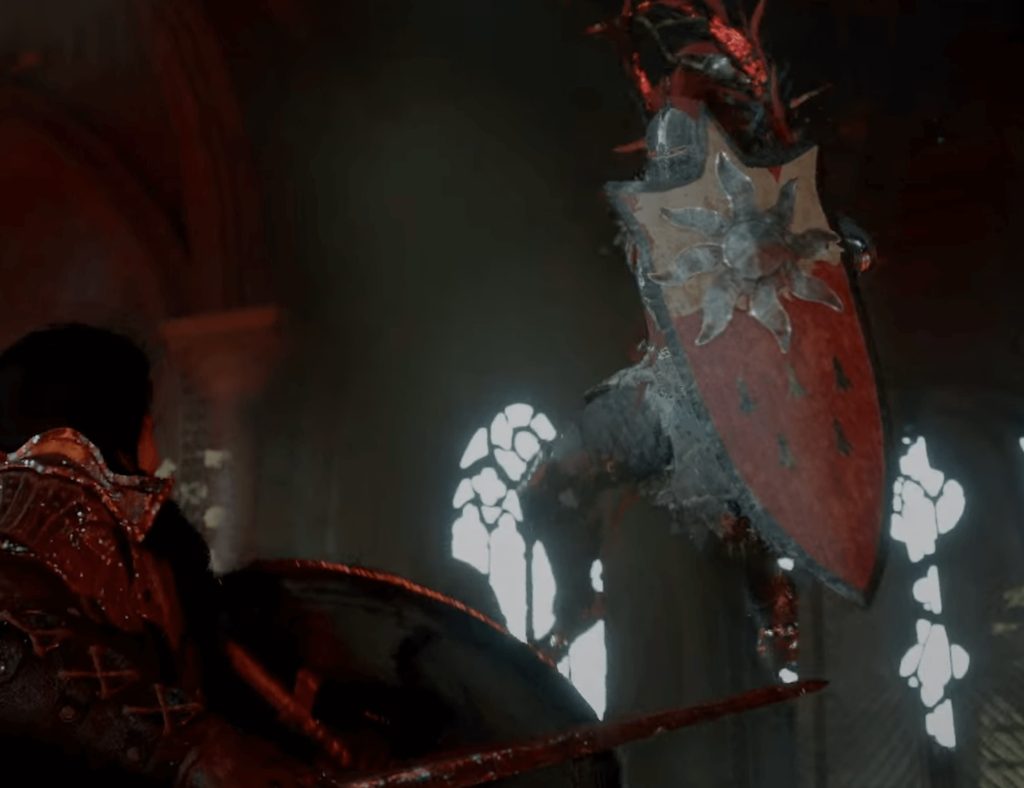
The combat previews, and my own hands-on sessions during preview events, have highlighted a remarkable level of detail in the animation department. The smooth transitions between attacks, dodges, and special abilities suggest a combat system that is both visually impressive and highly responsive. This fluidity is essential for an action-oriented experience, as it allows for precise control and a satisfying sense of impact.
Combo Systems and Skill Synergies
I am eager to delve into the potential for intricate combo systems. The previews hint at the possibility of stringing together various attacks and abilities to create devastating sequences. This would likely involve timing, positioning, and perhaps even character-specific resources. Furthermore, the presence of multiple playable characters opens up exciting possibilities for skill synergies, where strategically combining the abilities of different characters could lead to powerful tactical advantages. I imagine scenarios where one character sets up an enemy, allowing another to unleash a devastating finishing blow.
Enemy AI and Boss Encounters
The challenge of combat is intrinsically linked to the intelligence of the enemies I face. The preview impressions suggest that enemy AI will be designed to pose a genuine threat, requiring players to adapt their strategies. Boss encounters, such as the massive dragon glimpsed in trailers, are clearly intended to be epic set pieces, demanding careful observation of attack patterns and the exploitation of weaknesses. These encounters are not just about overwhelming force, but about pattern recognition and strategic execution. I anticipate that these boss fights will push my skills to their limits and provide memorable moments of triumph.
Heal-on-Kill Mechanics and Sustain
A fascinating mechanic that has been highlighted is the “heal-on-kill” system. This suggests a combat loop where success in dispatching enemies directly contributes to my character’s survivability. This can create a highly aggressive and rewarding combat style, encouraging players to remain on the offensive to maintain their health. It’s a clever design choice that directly ties player performance to sustain, rewarding skillful play. I can envision this encouraging a more dynamic and engaging engagement with enemy groups.
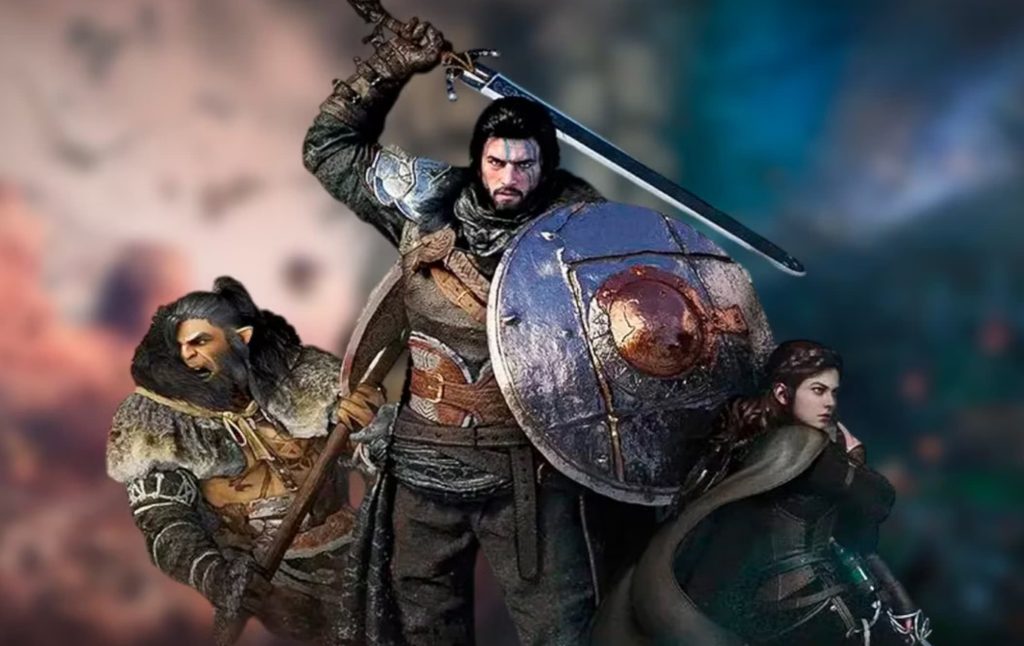
Multiple Playable Characters: A Diverse Arsenal
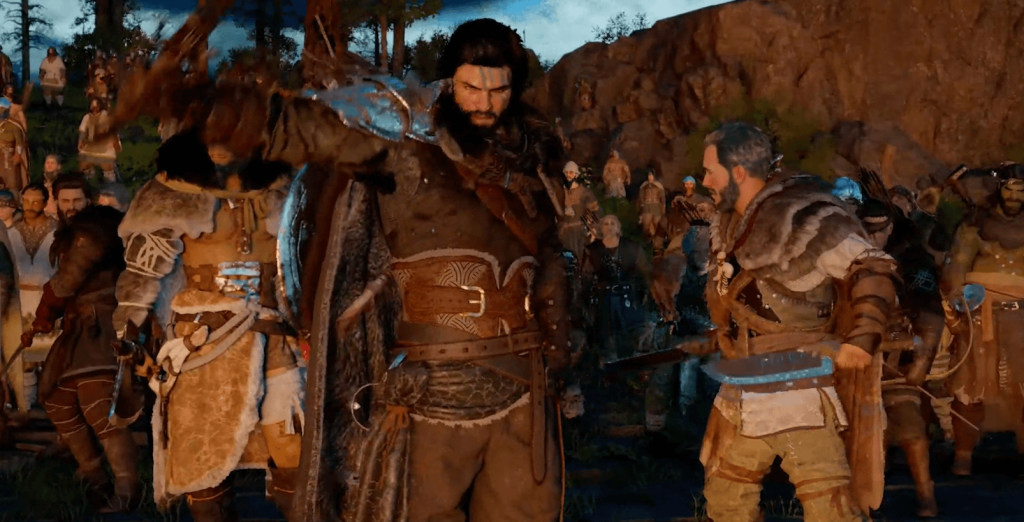
The revelation of multiple playable characters is a significant aspect of Crimson Desert’s design, offering a much-needed layer of variety and replayability. Each character is not merely a cosmetic variation; they are presented as individuals with unique combat styles and potential roles within the world.
Unique Movesets and Playstyles
The freedom to switch between characters, or perhaps even to recruit and deploy them strategically, presents a broad spectrum of combat possibilities. I’m eager to experiment with each character’s distinct moveset, learning their strengths and weaknesses, and discovering which playstyle best suits my preferences. Whether I favor a swift, dual-wielding assassin, a powerful, heavy-hitting warrior, or a tactical ranged combatant, there appears to be an option for me. This diversity is like having a well-stocked toolbox, where each tool is perfectly suited for a specific task.
Companion Questlines and Narrative Integration
The mention of “companion questlines” is particularly compelling from a narrative perspective. This suggests that the characters are not just combat units but have their own stories, motivations, and relationships. My interactions with these companions, and the quests I undertake with them, will likely flesh out the lore of Pywel and provide a more intimate understanding of its inhabitants. This integration of character-driven narratives within the open world is a powerful way to deepen player investment. I look forward to forging bonds with these companions and uncovering their personal arcs.
Character Customization and Progression
While the core combat and appearance of these characters are defined, I anticipate a robust system of customization and progression. This would allow me to tailor their abilities, gear, and perhaps even their visual appearance to my liking. The ability to evolve my chosen characters, unlocking new skills and enhancing their existing ones, is a fundamental aspect of RPG progression that I find deeply satisfying. I hope for a system that allows for meaningful build diversity, enabling me to approach challenges in unique ways.

Beyond the Sword: Activities and Mini-Games
The concept of a “living world” is further solidified by the inclusion of diverse activities and mini-games. These elements serve to break up the core gameplay loop of combat and questing, providing moments of respite and adding layers of depth to the player experience. I see these not as optional distractions, but as integral parts of what makes Pywel feel alive and populated.
Engaging Diversions and Resource Management
The previews have hinted at a variety of activities beyond standard combat, suggesting that Pywel will offer more than just a linear progression of battles. These diversions can serve multiple purposes, from providing a welcome change of pace to offering alternative means of acquiring resources or furthering the player’s progression.
Fishing and Crafting Systems
Traditional open-world staples like fishing and crafting are often excellent indicators of a game’s depth. If implemented with care, these activities can offer a satisfying sense of accomplishment and provide valuable tools or resources for the player’s journey. I imagine a detailed crafting system that allows me to utilize the resources gathered from the environment to create potent potions, robust armor, or specialized weaponry. These activities can be almost meditative, offering a contrast to the high-octane combat encounters.
The Art of Trading and Economics
The potential for engaging with the economy of Pywel through trading is another area of keen interest. This could involve buying and selling goods, managing resources, and perhaps even participating in player-driven markets. A well-developed economic system adds a layer of strategic depth, allowing players to approach their progression in different ways, perhaps through profitable ventures rather than solely through combat. I hope for a system that makes trading a meaningful endeavor, rather than a simple button-press.
Social Interactions and Mini-Games
The mention of “mini-games” suggests a range of smaller, self-contained activities that players can engage in. These could be anything from dice games in taverns to archery contests, or even more unique challenges specific to the world of Pywel. These elements contribute to the overall sense of character within the game world, making it feel more vibrant and less focused solely on combat. I am particularly excited about the prospect of social mini-games that allow for interaction with other players, if the game supports such features.
Building a Life in Pywel
Beyond the immediate activities, I am keen to understand if Crimson Desert will offer opportunities for players to establish a more permanent presence within Pywel. This could involve elements of housing, or even the ability to influence or develop certain areas of the world.
Player Housing and Personalization
The idea of player housing, even if it’s a small homestead, adds a significant layer of personal investment to an open-world game. The ability to customize and decorate a personal space provides a sense of ownership and a retreat from the dangers of the world. I imagine a system that allows for a reasonable degree of personalization, enabling me to make my corner of Pywel truly my own. This could also serve as a hub for crafting, storage, or even displaying trophies earned through my adventures.
Community Building and Guilds
If multiplayer elements are a significant component, then the potential for community building and guild systems is crucial. The ability to form alliances with other players, embark on shared quests, and contribute to the growth of a guild can foster a strong sense of camaraderie and purpose. A well-implemented guild system can transform a solitary experience into a collective adventure, where players support and rely on each other. I hope for systems that encourage cooperation and shared goals within the vastness of Pywel.
Technical Prowess and Accessibility
The technical execution of an open-world game of this magnitude is paramount. With a confirmed release date on current-generation consoles and PC, my expectations are high regarding performance and visual fidelity. Pearl Abyss has also indicated a commitment to transparency regarding PC specifications, which is a welcome sign.
Next-Generation Open-World Potential
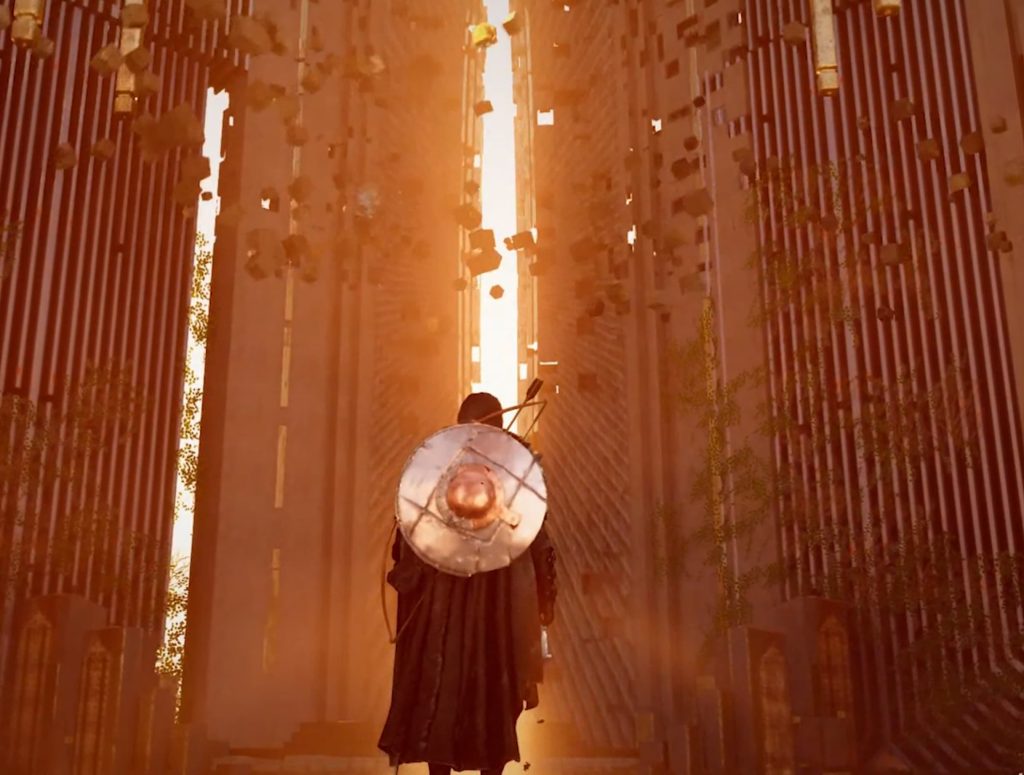
Crimson Desert is being positioned as a flagship title for next-generation open-world experiences, a bold claim amidst strong competition. The visual fidelity showcased in previews, coupled with the ambition of the world design, suggests that the developers are aiming for a truly cutting-edge product. I am particularly interested in how the engine handles large draw distances, detailed environments, and dynamic lighting effects, all of which are crucial for an immersive open world.
Optimization and Performance Targets
The “gold” status of the game is reassuring, indicating that the core development is complete and the focus is now on polish and optimization. My primary concern with any large-scale open-world game is performance. I anticipate that the developers will strive for stable frame rates and smooth loading times across all target platforms. The transparency regarding PC specs is a positive indicator, allowing players to make informed decisions about their hardware. I hope for a game that runs exceptionally well, allowing the world of Pywel to breathe without technical hindrances.
User Interface and Accessibility Options
An engaging open world also relies on a clean and intuitive user interface (UI). Navigating menus, managing inventory, and accessing quest logs should all be straightforward processes. Furthermore, providing a range of accessibility options is crucial for ensuring that Crimson Desert can be enjoyed by a wide audience. This includes customizable controls, adjustable text sizes, and colorblind modes, among other features. A well-designed UI and comprehensive accessibility options are not mere conveniences; they are integral to the overall player experience.
Cross-Generation and Cross-Platform Considerations
With a confirmed release on both PlayStation 5 and Xbox Series X/S, as well as Windows and macOS, I will be observing how the developers handle cross-generation and cross-platform play. If implemented, these features can greatly expand the player base and facilitate more dynamic interaction within the game world. While cross-play can be a complex undertaking, its successful implementation could significantly enhance the longevity and vibrancy of Crimson Desert’s online components. I am hopeful for a seamless experience regardless of the platform I choose to play on.
The Hype and Anticipation: A Glimpse of the Future
| Metric | Details |
|---|---|
| Game Genre | Open World Action RPG |
| Developer | Pearl Abyss |
| World Size | Expansive open world with diverse biomes |
| Gameplay Perspective | Third-person |
| Combat System | Dynamic melee and ranged combat with skill combos |
| Character Customization | Extensive options including appearance and skills |
| NPC Interaction | Rich dialogue and quest system with branching choices |
| Crafting & Economy | Resource gathering, crafting, and trading mechanics |
| Day/Night Cycle | Dynamic with weather effects impacting gameplay |
| Multiplayer Features | Co-op gameplay and player trading |
It is undeniable that Crimson Desert has generated significant buzz within the gaming community. Its inclusion on Polygon’s list of anticipated 2026 titles underscores its potential to be a major player in the coming year. The comparisons to titles like Grand Theft Auto VI, while perhaps ambitious, highlight the high expectations placed upon its open-world design.
Industry Recognition and Awards
The fact that Crimson Desert has already garnered nominations at prestigious events like the gamescom Awards is a testament to its perceived quality and innovation. Such recognition from industry professionals and critics serves as an early indicator of the game’s potential to leave a significant mark. While awards do not guarantee gameplay satisfaction, they do reflect a certain level of execution and creativity that is certainly generating positive attention.
Preview Impressions and Creator Embargo Lifting
The preview impressions from hands-on sessions have been largely positive, with many highlighting the smooth combat animations and the engaging nature of the open world. The lifting of the creator embargo on March 4, 2026, followed by full reviews going live just before the March 19 launch, will provide a more comprehensive understanding of the game’s strengths and weaknesses. This period of critical evaluation is crucial for setting realistic expectations and for the gaming public to make informed decisions. I will be keenly awaiting these reviews to solidify my own anticipation.
The Promise of a New Open-World Benchmark
Crimson Desert is not just another open-world game; it appears poised to set new benchmarks for the genre. The blend of a vast, detailed world, fluid action combat, engaging activities, and a compelling narrative suggests an experience that could redefine player expectations. As I prepare to embark on my own journey into Pywel in March 2026, I do so with a sense of informed optimism, eager to explore every nook and cranny of this meticulously crafted digital frontier. The journey promises to be long, filled with challenges and discoveries, and I am ready to answer the call of Crimson Desert’s vast, open world.
FAQs
What type of game is Crimson Desert?
Crimson Desert is an open-world action role-playing game that combines exploration, combat, and storytelling in a vast, immersive fantasy setting.
What platforms is Crimson Desert available on?
Crimson Desert is planned for release on PC and next-generation consoles, including PlayStation 5 and Xbox Series X/S.
What can players expect from the open-world gameplay in Crimson Desert?
Players can expect a dynamic open world filled with diverse environments, interactive NPCs, challenging enemies, and various quests that contribute to a rich narrative experience.
Does Crimson Desert feature multiplayer or is it single-player only?
Crimson Desert primarily focuses on a single-player experience but has plans to incorporate multiplayer elements to enhance gameplay and player interaction.
Who is the developer behind Crimson Desert?
Crimson Desert is developed by Pearl Abyss, the same studio known for creating the popular MMORPG Black Desert Online.
Author
