
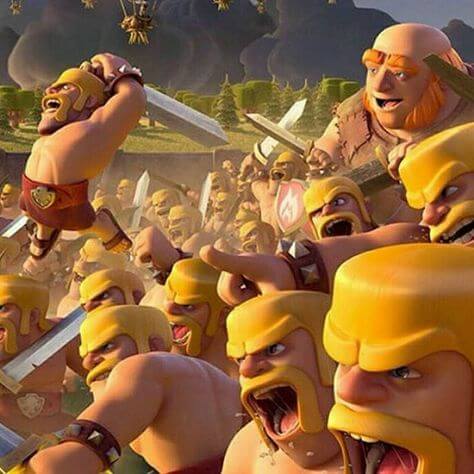
I find myself intrigued by the ongoing dialogue surrounding Supercell’s two titans: Clash of Clans and Clash Royale. As someone who has spent considerable time navigating both their digital battlefields, I feel uniquely positioned to offer an objective analysis. My aim here, dear reader, is not to declare a victor in this “Battle of the Clashes,” but rather to dissect their individual merits and explore why each resonates with its distinct, yet often overlapping, player base. Think of this as a strategic briefing, devoid of hyperbole, designed to illuminate the nuances separating these two immensely successful mobile games.
My journey into the Clash universe began, as it did for many, with Clash of Clans. Released in 2012, its blueprint for mobile strategy was, at the time, revolutionary. I recall the initial fascination with building my own village, a digital fortress meticulously constructed brick by virtual brick. Then came Clash Royale in 2016, a sibling game that, while sharing a common aesthetic and character roster, fundamentally re-engineered the strategic experience.
The Foundation of Clash of Clans: Persistence and Patience
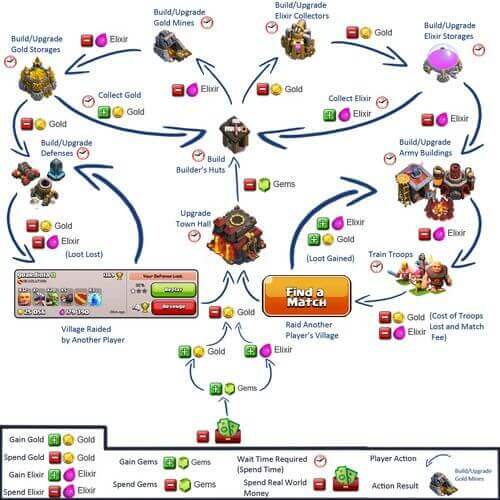
With Clash of Clans, I learned the slow burn of long-term strategy. My primary objective was clear: develop my village, train my armies, and defend against intrepid attackers while simultaneously launching raids against others. This cycle of building, upgrading, and attacking formed the bedrock of its appeal.
- Resource Management: I found myself constantly calculating the optimal use of Gold and Elixir, weighing immediate upgrades against future advancements. This felt less like a game and more like managing a small, virtual economy.
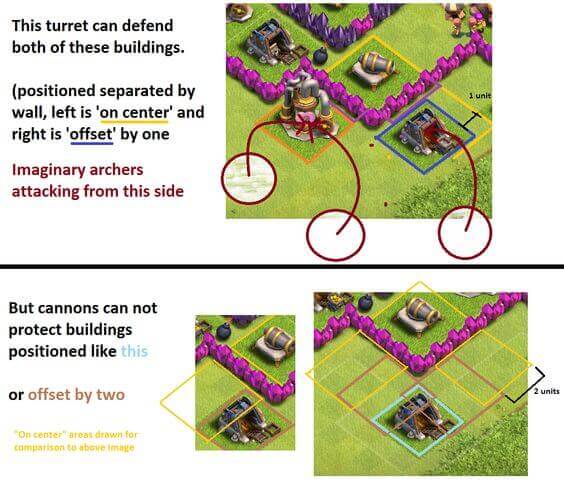
- Base Building: The intricate art of designing an effective base layout was a puzzle I continually sought to solve. Every wall placement, every defense tower, felt like a strategic decision with tangible consequences. My base was my digital sanctuary, vulnerable yet resilient.
- Army Composition: Experimentation with troop combinations became a personal quest. Discovering the synergy between sturdy Giants and powerful Wizards, or the explosive potential of Balloons and Minions, was a gratifying process of trial and error.
The Innovation of Clash Royale: Real-time Tactical Duels
Clash Royale introduced a different rhythm. It stripped away much of the base-building permanence and replaced it with intense, three-minute real-time duels. My focus shifted from long-term territorial development to immediate tactical execution.
- Deck Building: My primary strategic endeavor in Clash Royale lies in crafting the perfect 8-card deck. Each card represents a unit, spell, or building, and understanding their synergies and counters is paramount. My deck is my hand, and every card played is a move on a dynamic chess board.
- Elixir Management: The flowing Elixir bar at the bottom of the screen is my constant companion, a tempo setter for the entire match. Deciding when to commit Elixir to a powerful push and when to conserve it for defense is a delicate balance, a constant dance between offense and defense.
- Tower Defense and Offense: The dual objective of destroying opponent’s towers while defending my own creates a thrilling push-and-pull dynamic. There are no safe havens here; every action has an immediate reaction.
The Player Experience: Solitary Fortification vs. Competitive Skirmishes
My engagement with these titles has always been shaped by their distinct player experiences. Clash of Clans often felt like a more solitary journey with occasional collaborative elements, while Clash Royale thrust me into a relentless arena of direct competition.
I really enjoy the emotes in Clash Royale, when you win or lose the emotes give a little insight to who is on the other side of the screen. Sometimes winners are dicks, sometimes they let you know that you put up a good fight.
Clash of Clans clan chat is always good fun (at least it is in my clan). Everyone donates troops, everyone checks in and theres always raids.
Clash of Clans: The Clan as Community and PvE Focus
My Clash of Clans experience frequently revolved around my Clan. While individual progress was key, the social fabric of the Clan provided a layer of cooperative depth.
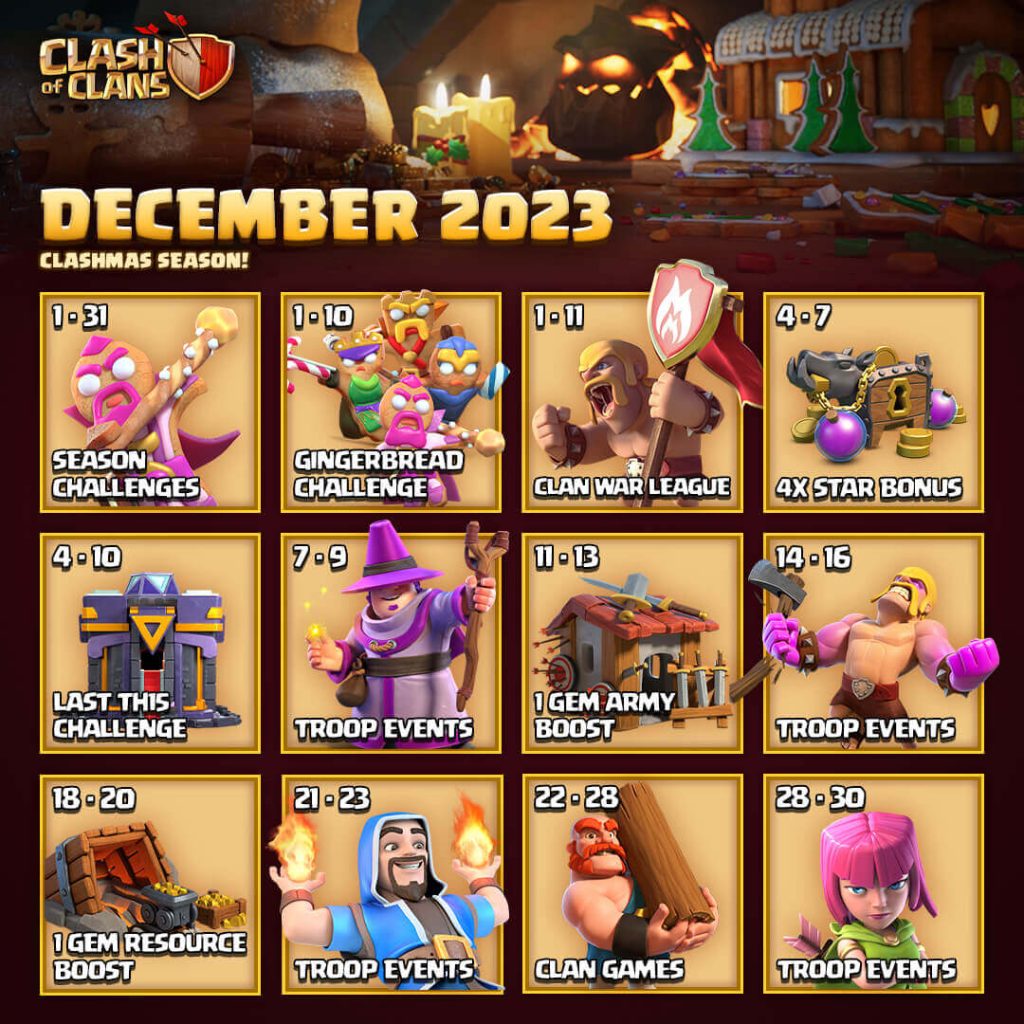
- Clan Wars: These organized battles between Clans were the pinnacle of cooperative strategy. Coordinating attacks, donating troops, and cheering on clanmates fostered a strong sense of camaraderie. I felt like a part of a larger, unified force.
- Resource Grinding: A significant portion of my time was spent diligently farming resources from other players’ bases or my own collectors. This repetitive, yet rewarding, cycle of accumulation was a unique form of engagement.
- Asynchronous PvP: The “player versus player” (PvP) in Clash of Clans is asynchronous, meaning I attacked others’ bases when they were offline, and they attacked mine in turn. This presented a different kind of pressure; my base design was my primary defense, rather than my reaction time.
Clash Royale: The Thrill of Direct Confrontation and Esports Potential
Clash Royale, on the other hand, immediately plunged me into a highly competitive environment. Every match was a direct confrontation, a test of my reflexes and strategic foresight.
- Real-time PvP: The immediacy of real-time PvP is what defines Clash Royale. I am pitted against another human player, live, making decisions under pressure. This fosters a reactive gameplay style where adaptation is key.
- Ladder Progression: The Trophy Road, a visual representation of my progress, constantly motivates me to climb higher. Victories push me up the ranks, failures send me plummeting, creating a potent cycle of ambition and frustration.
- Esports Viability: It’s no surprise that Clash Royale has a thriving esports scene. Its real-time, skill-based gameplay, combined with an easily spectated format, makes it an ideal candidate for competitive play. Observing professional players manipulate their Elixir and deploy cards with surgeon-like precision is a masterclass in tactical prowess.
Monetization Models: Crafting Progression and Cosmetic Appeals
From my perspective as a player, dissecting the monetization strategies of both games is crucial to understanding their long-term viability and player retention. Supercell, as a company, has mastered the art of free-to-play economics.
Clash of Clans: Time as Currency and Booster Packs
Clash of Clans‘s monetization initially felt more geared towards speeding up a deliberately slow progression curve.
- Gem Purchases: Gems are the primary premium currency. I could use them to instantly complete upgrades, train troops, or buy resources. This felt like a shortcut for those who valued time over patience.
- Builder Packs and Gold Pass: More recently, the introduction of the Gold Pass and various builder packs offers significantly more value for a set price, providing both cosmetic advantages and substantial boosts to progression. This has broadened the appeal of spending money beyond just speeding things up.
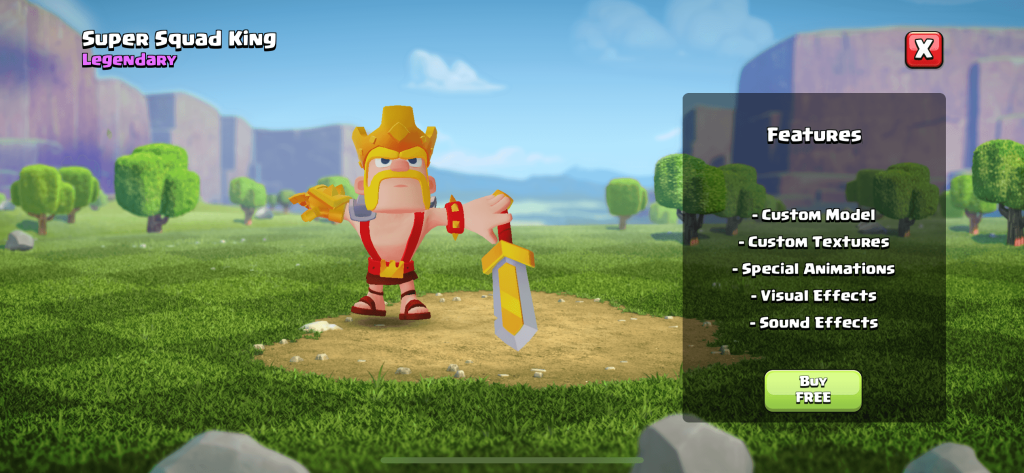
- Cosmetic Skins: While less prevalent than in Clash Royale, cosmetic changes for heroes and buildings have slowly become an additional revenue stream, appealing to players who wish to personalize their villages.
Everyone loves free stuff and Clash Royale really lays it on thick, the amount of loot boxes I get is insane. But on the other hand ot is equal to the number of upsells that the game offers. So Ill take my wins.

Clash Royale: Championing the Battle Pass and Card Leveling
Clash Royale‘s monetization focuses on a different set of incentives, primarily tied to card progression and cosmetic enhancements.
- Pass Royale: Similar to Clash of Clans‘ Gold Pass, the Pass Royale offers a tiered system of rewards for active players, including exclusive tower skins, emotes, and significant boosts to gold and wild cards. It’s a compelling offer for regular players.
- King Level and Card Level Progression: The core of Clash Royale‘s grinding loop involves leveling up individual cards and my King Tower. This requires duplicates of cards, which can be acquired through chests (free or purchased) or in-game shop offers. This creates a powerful incentive for continuous play and, for some, direct purchases to accelerate card collection.
- Emotes and Tower Skins: These purely cosmetic items allow for personalization and self-expression within the game. I found myself drawn to certain emotes that allowed me to communicate playfully (or sometimes sarcastically) with my opponents, adding a layer of personality to the matches.
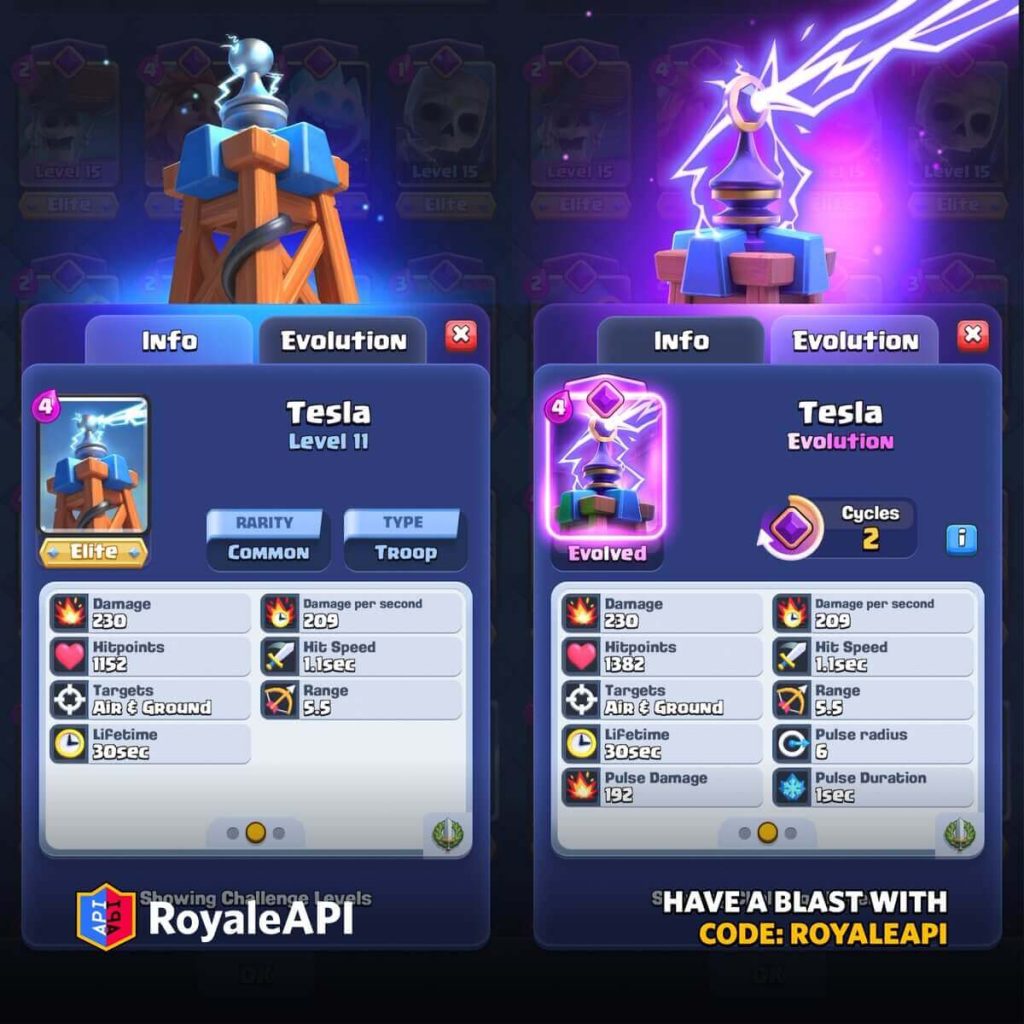
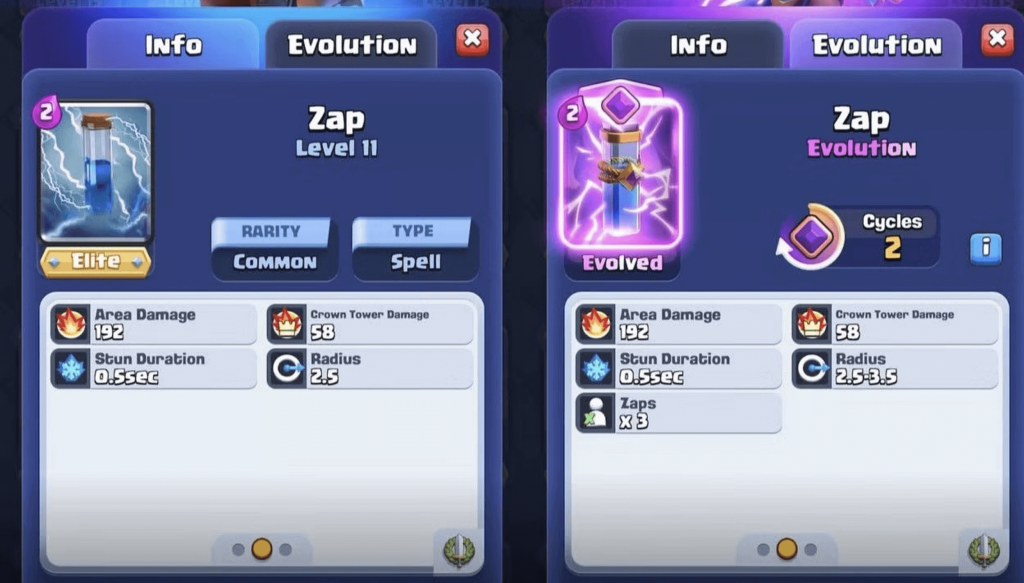
They have released new Card evolution progress where you can upgrade cards to evolve them into way more powerful variants. I like this system, but it empowers the engaged active players over everyday casual players.
I spend far too long upgrading and custiomising my decks, my skins, my emotes and the look of my teams. Im on the hunt to unlock every character, every collectible and every arena. I am very close to this goal.
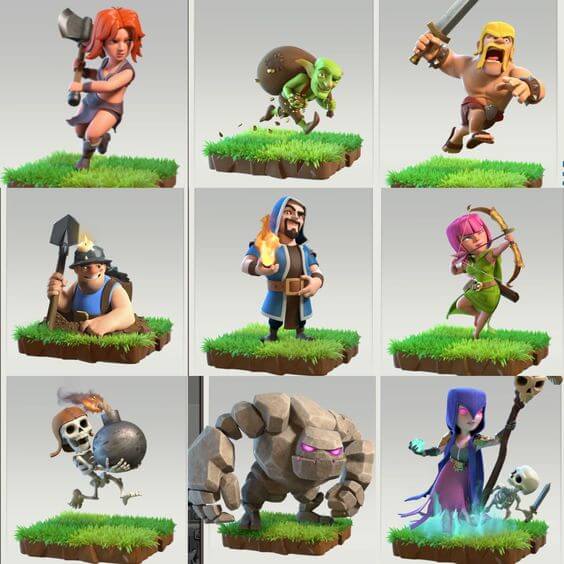
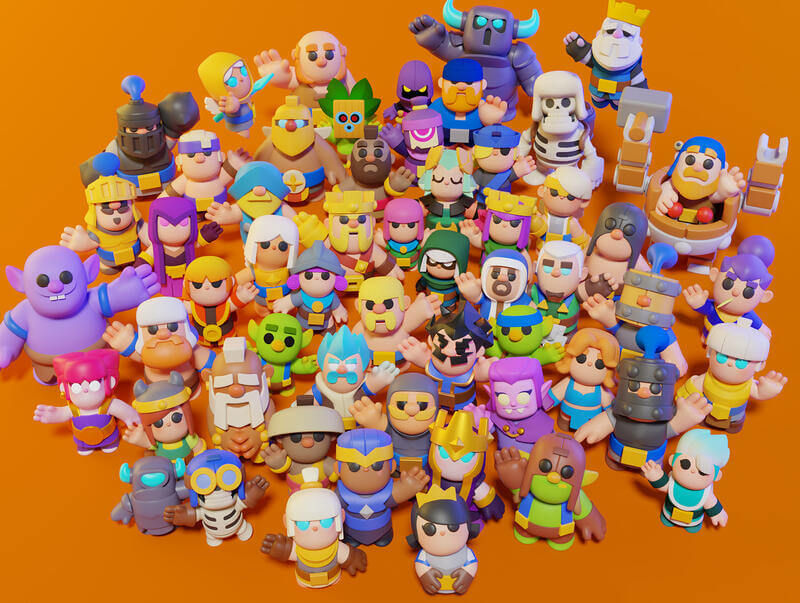
The character art on both games is superb. I love the art the animations and all the use of the characters throughout the universal of clash of clans.
Longevity and Evolution: Adapting to Player Demands
Both games have demonstrated remarkable longevity, a testament to Supercell’s commitment to continuous updates and adaptive evolution. I’ve witnessed both undergo significant transformations over the years.
Clash of Clans: The Steady March of Content Updates
Clash of Clans has maintained its player base through consistent, impactful content additions that expand the core game loop rather than drastically altering it.
- New Troops and Spells: The introduction of new units like the Grand Warden or the Royal Champion provided fresh strategic options for attacks and defenses, preventing the meta from stagnating. I frequently found myself experimenting with these new tools, feeling a renewed sense of strategic challenge.
- Town Hall Expansions: Each new Town Hall level brings with it new defenses, troops, and building upgrades, ensuring a never-ending horizon for progression. This steady release of higher-level content keeps veteran players engaged with new goals.
- Quality of Life Improvements: Regular updates addressing player feedback, from balancing changes to improved UI, demonstrate a commitment to refining the player experience. These small, incremental changes collectively contribute to a more enjoyable game.
Clash Royale: Balancing, New Cards, and Game Modes
Clash Royale requires a more frequent and careful balancing act due to its highly competitive nature. The introduction of new cards and game modes is equally crucial.
- Frequent Balance Changes: The meta in Clash Royale is a dynamic, ever-shifting landscape. Supercell’s developers are constantly tweaking card stats to ensure no single strategy becomes overwhelmingly dominant, fostering diversity in deck building. I’ve seen my favorite decks ride waves of power and fall out of favor, forcing me to adapt continuously.
- New Cards and Champion Tier: The regular introduction of new cards, including the more recent Champion tier, keeps the game fresh and introduces new strategic possibilities. I remember the excitement of discovering how a new card could fundamentally alter my existing deck synergy.
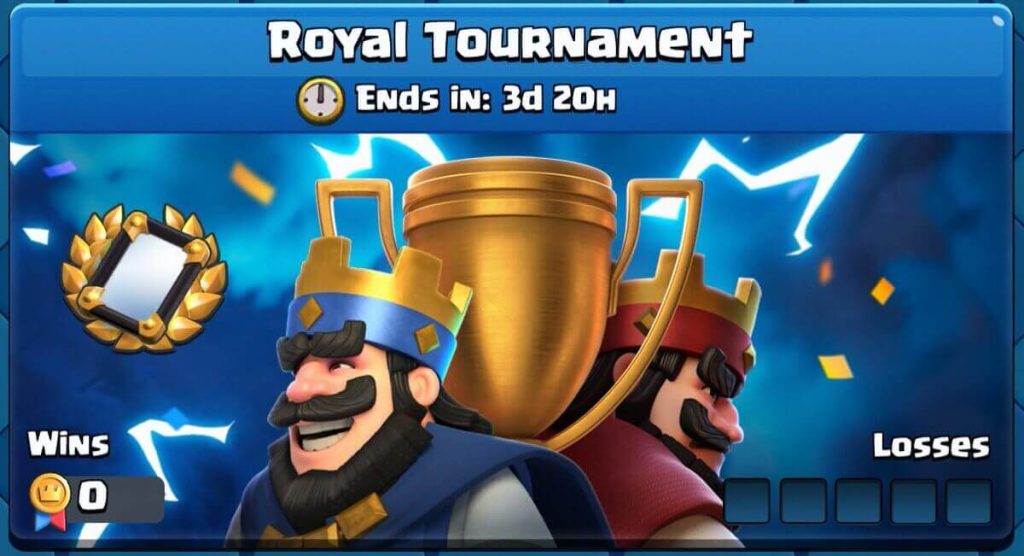
- Global Tournaments and Challenges: Beyond the standard ladder, the introduction of various tournaments and challenges, often with unique rulesets, provides alternative gameplay experiences and opportunities to test new decks without risking ladder trophies. These modes inject variety and allow for more experimental play.
Ive lost track of the leveling system, tiers and features. I have been tracking Clash of Clans and Clash Royale for years in a Miro board mapping out the tiers, classes, levels and features but to be honest the feature releases came so thick and fast that I just got overwhelmed.
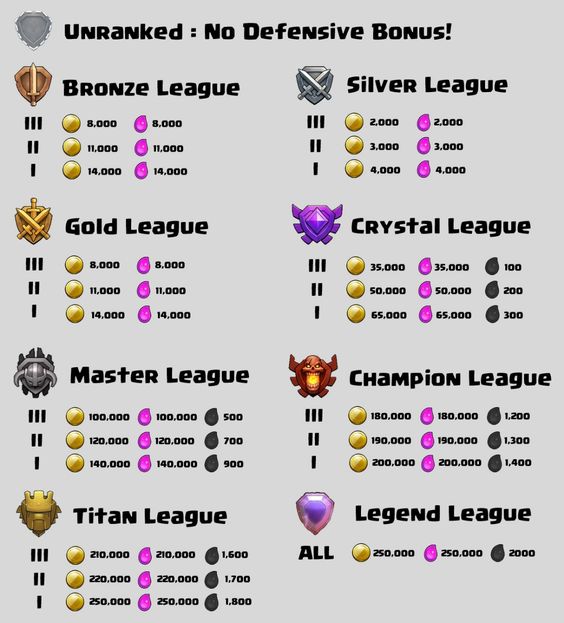
The Audience: Who Plays What and Why I Play Both
I play both games, more so Clash Royal these days and the occassional visit to Clash of Clans. I am also playing Squad Busters when I have time. But Clash Royale is still my preferred tower defense game on mobile.
| Metric | Clash of Clans | Clash Royale |
|---|---|---|
| Release Date | August 2, 2012 | March 2, 2016 |
| Game Genre | Strategy / Base Building | Real-Time Strategy / Card Battle |
| Players | Single-player with multiplayer elements | Multiplayer real-time battles |
| Average Session Length | 15-30 minutes | 5-10 minutes |
| Monetization Model | In-app purchases, gems | In-app purchases, gems |
| Number of Downloads (approx.) | 500 million+ | 300 million+ |
| Active Monthly Users (approx.) | 100 million+ | 50 million+ |
| Game Progression | Base upgrades, troop upgrades, clan wars | Card collection, arena progression, tournaments |
| Competitive Scene | Clan Wars, Clan War Leagues | Global tournaments, esports leagues |
| Platform | iOS, Android | iOS, Android |
Ultimately, my reflection on these two games leads me to consider their target audiences. While there’s a significant overlap, their core appeals diverge.
Clash of Clans: The Strategist and the Builder
I believe Clash of Clans appeals to a player who enjoys a slower, more methodical pace. It’s for the digital architect, the long-term planner, and the one who revels in the satisfaction of gradual, persistent progress.
- Patience and Dedication: The game rewards commitment. Those who dedicate time to building, farming, and researching will see their villages flourish. It’s a game for the marathon runner, not the sprinter.
- Creative Construction: The freedom to design one’s own base, to create intricate layouts that confound attackers, provides a distinct creative outlet. My village is an extension of my strategic mind, a testament to my defensive planning.
Clash Royale: The Tactician and the Competitor
Clash Royale, on the other hand, speaks to the high-intensity competitor, the quick-thinker who thrives under pressure, and the player who enjoys immediate gratification from decisive plays.
- Rapid Decision-Making: Matches demand constant attention and quick reactions. There’s no downtime; every second counts. It’s a game for those who can process information rapidly and execute strategies on the fly.
- Direct Head-to-Head Skill: The outcome of a Clash Royale match feels overwhelmingly dependent on individual skill, deck mastery, and tactical execution. This direct competition provides both immense satisfaction in victory and clear lessons in defeat.
- Online community – Ive met a lot of people over the years through these games and while not in person yet, Ive gone on to help and support them with various tech issues, catchups and conversations about what features would make the game even more competitive.
As I reflect on my experiences, I find that I appreciate both games for their unique strengths. Clash of Clans offers a sense of enduring accomplishment, a digital legacy built over time. Clash Royale provides the adrenaline rush of immediate, intense competition. They are not rivals, in my estimation, but rather complementary facets of a grander strategy universe, each offering a distinct kind of engagement. My journey through both continues, each providing its own brand of challenge and enjoyment.
FAQs
What are the main differences between Clash of Clans and Clash Royale?
Clash of Clans is a base-building strategy game where players build and upgrade their village, train troops, and attack other players’ bases. Clash Royale is a real-time multiplayer card game where players collect and upgrade cards featuring Clash of Clans troops, spells, and defenses, and battle in fast-paced duels to destroy opponent towers.
Who developed Clash of Clans and Clash Royale?
Both Clash of Clans and Clash Royale were developed and published by the Finnish game company Supercell.
Are Clash of Clans and Clash Royale connected in any way?
Yes, both games share the same universe and characters, but they offer different gameplay experiences. Players can use familiar troops and spells in Clash Royale that originally appear in Clash of Clans.
Can you play Clash of Clans and Clash Royale on the same device?
Yes, both games are available on iOS and Android devices, and you can install and play them independently on the same device.
Do Clash of Clans and Clash Royale require an internet connection?
Yes, both games require a stable internet connection to play because they involve multiplayer interactions, real-time battles, and syncing game progress with servers.
Author
